
Wild Lectionary is for those who want to preach on climate justice themes. In scripture, landforms, skies, waterways, and creatures are transformed. In the world around us they are transformed as well by the advancing global climate crisis. Repeatedly we are called to attend to the wisdom of the more-than-human world. Each week a different contributor offers commentary on the lectionary readings, suggestions for preaching, and links to additional material. We hope you will use and share these resources.
-
We are hoping to keep this resource going year-round. If you are interested in collaborating, e-mail Laurel.
-
For preachers who want to engage with scripture and with climate crisis here are some tools for approaching biblical texts.
Know and be rooted in your watershed. It has long been understood as good homiletic and exegetical practice to name your social location -the webs of relationship, power and identity which influence your approach to and understanding of scripture. It is perhaps equally important to be aware of your ecosystem location, how your experience of and connection to drought, harvest, storm, herding, and fishing are at play as you encounter these themes in scripture. What are the creature kin, the predators, the waterways, landforms and plants of your place and your heritage that help you to understand (or cause you to misunderstand) the Galilean fishing economy, the Cedars of Lebanon, the lion of Judah, the true vine, the Good Shepherd and the lamb of God?
Focus on Climate Justice. Credited to various activists from the global south, climate justice is a term that asserts that the impacts of global climate change and the work of responding to it are not borne equally. Racialized, impoverished, Indigenous, coastal and island peoples experience the greatest impacts while bearing the least responsibility and are at the forefront of movements for land defense, mutual aid, and corporate and governmental accountability (Gabbatis and Tandon, 2022). Bringing a climate justice approach to scripture means focusing not simply on “creation” or “the environment” but addressing the interrelationships between human and ecological exploitation, extraction, displacement, and inequity.
Apply Eco-Justice Principles. Norman Habel and the Earth Bible Project have identified six principles in scripture.
The Principle of Intrinsic Worth: The universe, Earth, and all its components have intrinsic worth/value
The Principle of Interconnectedness: Earth is a community of inter-connected living things that are mutually dependent on each other for life and survival.
The Principle of Voice: Earth is a living entity capable of raising its voice in celebration and against injustice.
The Principle of Purpose: The universe, Earth and all its components are a part of a dynamic cosmic design within which each piece has a place in the overall of that design.
The Principle of Mutual Custodianship: Earth is a balanced and diverse domain where responsible custodians can function as partners with, rather than rulers over, Earth to sustain its balance and a diverse Earth community.
The Principle of Resistance: Earth and its components not only suffer from human injustices but actively resist them in the struggle for justice.
Use an Eco-Feminist Lens. The Rev. Dr. Leah D. Schade “the eco-preacher” has developed four additional principles.
Focus on Earth-orientation rather than focusing strictly on humans, and particularly male humans. Read Scripture through a “green lens” to ascertain how texts may be oppressive or liberating to women, children, those most vulnerable, and the Earth community.
Proclaim the good news for both the human and other-than-human community of Earth. Analyze the impact and power that certain texts will have when preached in a community of faith within its ecological context.
Practice a hermeneutic of remembrance. Recover biblical traditions so that we can view the biblical story from an ecofeminist perspective, moving away from the inherent human-centeredness and male-centeredness of texts that assume subordination of Earth and women.
Engage creative actualization. Tell stories from Earth’s and women’s perspectives. Reformulate narratives lifting up the discipleship of equals among human communities and with our Earth kin.
Consider the Ecological Triangle of God, Non-Human Creation, and Humanity. Hilary Marlow proposes this alternative method of ecological engagement which allows the texts to speak for themselves. She asks:
What understanding does the text present of non-human creation (local or cosmic)?
What are the assumptions of the author about God’s relationship to the created world?
What effects do human actions have upon non-human creation and vice versa?
-
It costs approximately $275 CAD for the work of research, writing, editing, coordinating and hosting one week of resources on Wild Lectionary. If you have appreciated this faithful climate justice resource please consider sponsoring a page or asking your congregation to do so. It is a gift that benefits so many.

Body in Creation: Eleventh Sunday After Pentecost, Yr A
I study these passages while reading Deep Listening by Emily Kasriel and facilitating a series of workshops on Holy Listening. While none of these texts are explicitly about listening, I am paying particular attention to my own attentiveness this month. In both the Genesis story and the Gospel, we read a series of stories that are careful to name places, or identify wind, water and mountain top. How do we listen deeply to the land in these stories? How might we listen deeply to the land in the stories of our own place? This week with these readings I put my body into creation and listen to the water. (For example, on my paddleboard this summer)

Dandelions on the Lawn of Empire: A reflection on the goodness of weeds
“We are dandelions on the lawn of Empire.” When Wendy Janzen of Burning Bush Forest Church spoke those words at a Wild Church Retreat in Ontario, Canada, the entire audience began scribbling it down in their notepads.
Wendy was referring to how we were coming out of the religious narrative of what it means to be ‘church’ in the world. Many of us spent our upbringings inside the walls of church yet felt a longing for the wilderness. We sought the healing, holy connection, revelation, and wonderment that was once a part of our ancient Christian roots- but through centuries of disconnect, had now made us outcast misfit exiles.
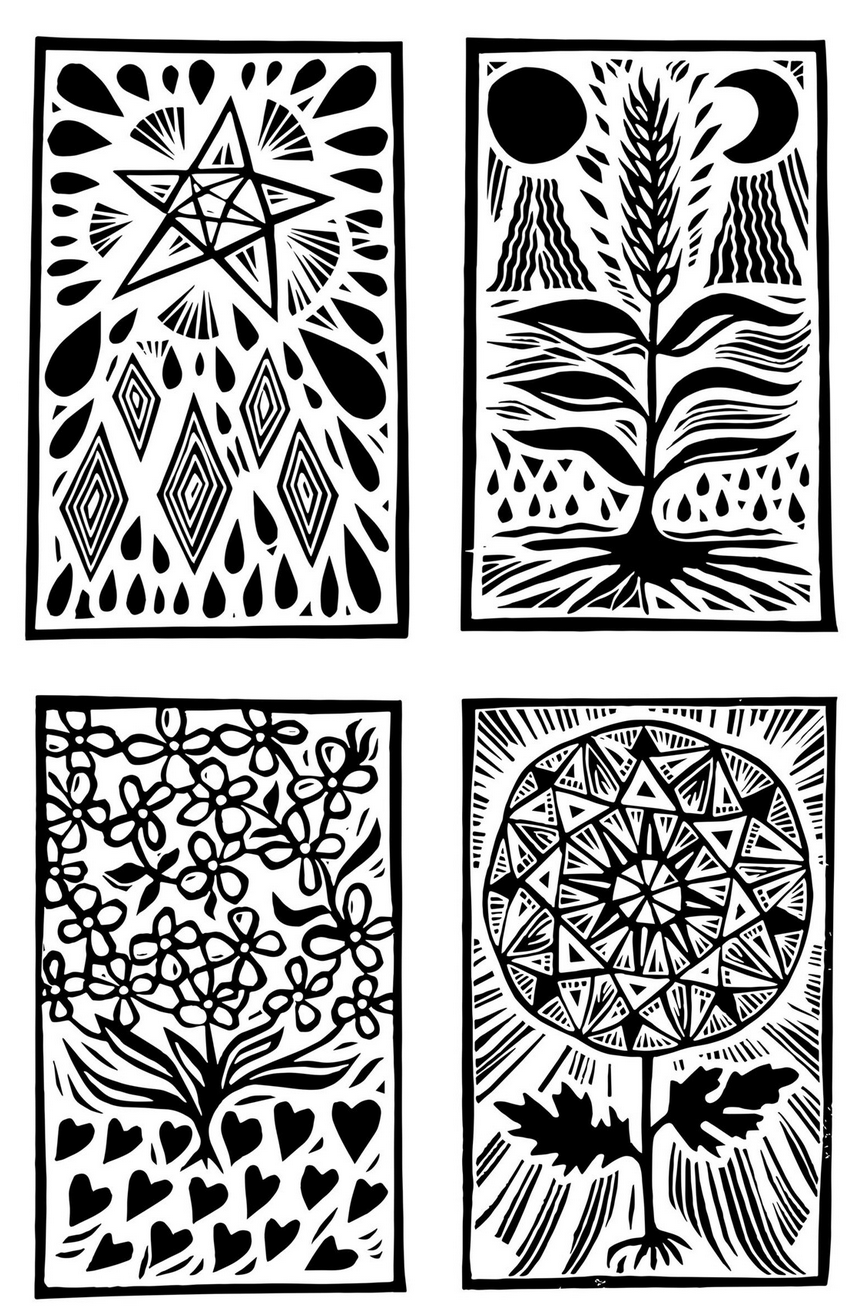
9th Sunday after Pentecost (A): Costly, Subversive Kingdom
The life-ways of plants, cultivated and wild, are used in the Gospel in a suite of parables conveying the subversive and costly qualities of the Kingdom, and in the Psalm to portray the flourishing of the faithful. As we consider our own relationships with the plants of our bioregion and the products of agribusiness, these texts and perhaps the photosynthesizers themselves, provoke unease.
Imageries of Wheat and Weed: 8th Sunday After Pentecost, Year A
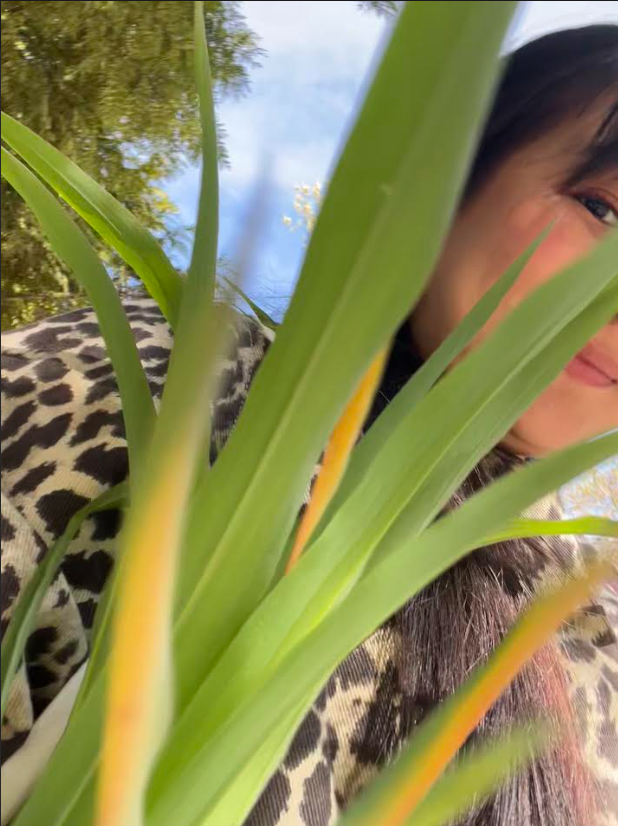
Matthew shares with us not only the parable of the weed, but also its explanation. Yet the first thing that comes to my mind after reading this passage is a blurry memory of myself.
My mom has a green thumb. My whole family used to live from and with the Land, while I grew up in the city. Still, my mom always cultivated the garden. I would go outside to give her a hand, pulling lion’s mane flowers to show them to her.
“Those are weeds—throw them away,” she would say.
But to my eyes they were beautiful. Even now, when I think about weed, I think not only of labour, but also of beauty.
Good Soil, Good Heart: Seventh Sunday After Pentecost Year A
After reading the Alternate first reading and the Gospel, I immediately went to the refrain of Lord, Let My Heart Be Good Soil.
Lord, let my heart be good soil
Open to the seed of your Word.
Lord, let my heart be good soil,
Where love can grow and peace is understood.
We sung this hymn at my parish on the Third Sunday after Pentecost, but it is clearly applicable to this Sunday. It was after all written by Handt Hanson with regards to the Parable of the Sower.
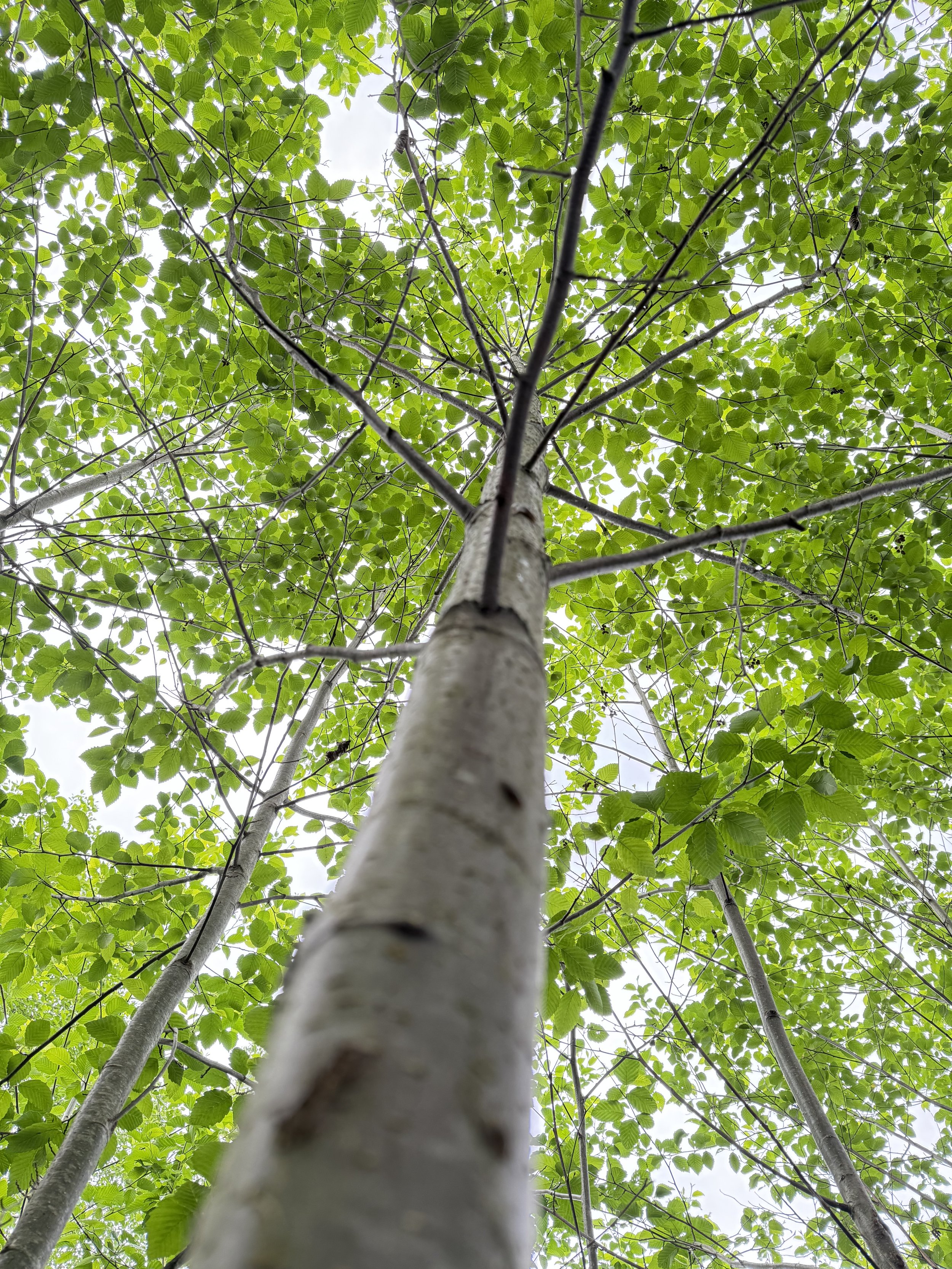
I know God wants us to grow and live a life they have called us to live; one of love and peace with nature and with one another. With this refrain, I have to ask what is good soil and more specifically what does it mean to have a heart of good soil? From the parable we see different types of ground, from rocky, to thorns, but what is their significance and connection to our current climate situation? What does that have to do with God’s word and sowing seeds? We are told in the explanation of the parable that the seeds are God’s word. When I think of seeds, I think of farmers growing crops and harvesting them. Yet with this refrain, my mind at once thinks of trees.
We are grateful to the sponsors who make Wild Lectionary possible:

This program is made possible through a Vital Worship Grant from the Calvin Institute of Christian Worship, Grand Rapids, Michigan, with funds provided by Lilly Endowment Inc.