
Good Soil, Good Heart: Seventh Sunday After Pentecost Year A
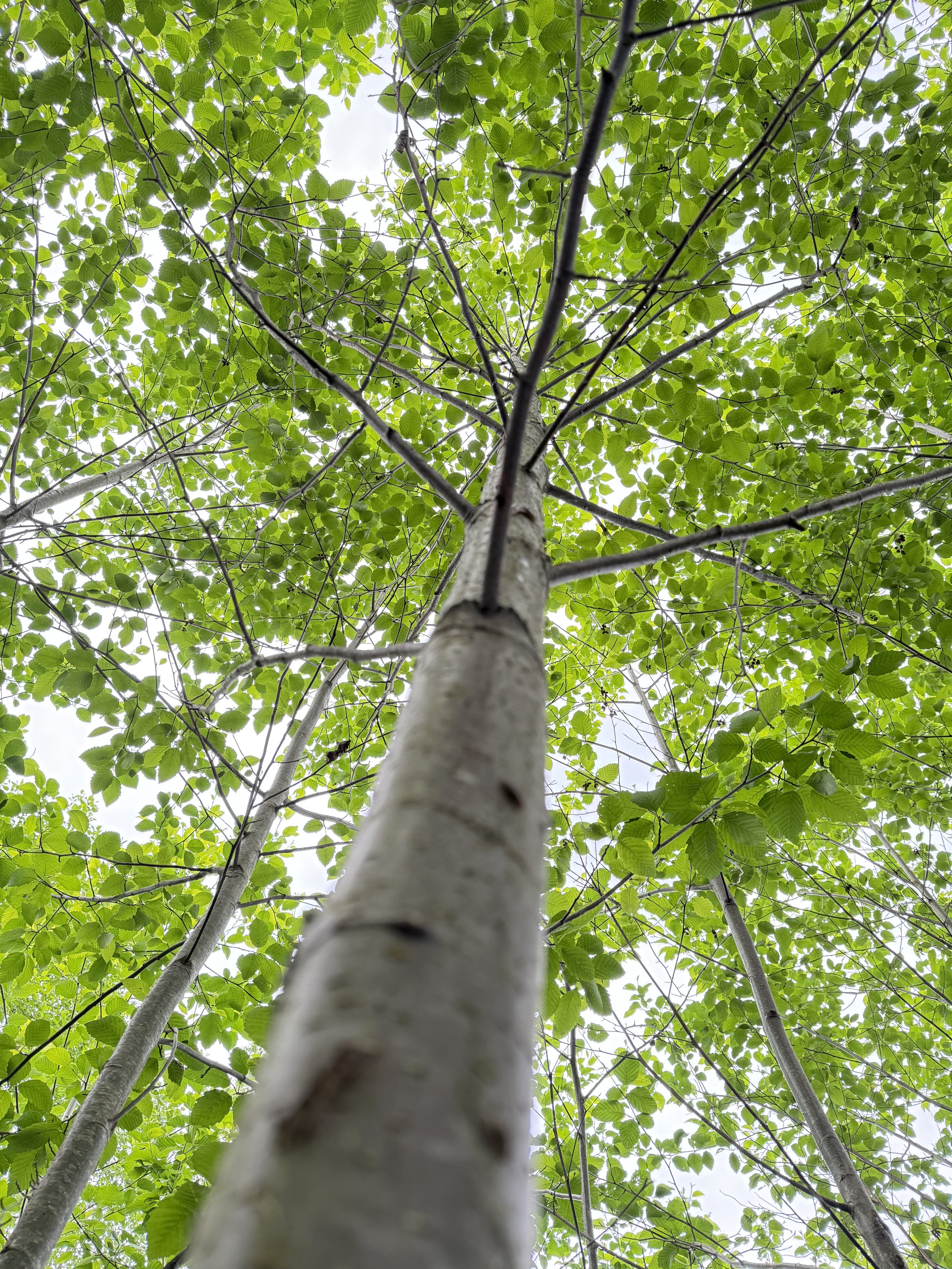
Jason Rajan
After reading the Alternate first reading and the Gospel, I immediately went to the refrain of Lord, Let My Heart Be Good Soil.
Lord, let my heart be good soil
Open to the seed of your Word.
Lord, let my heart be good soil,
Where love can grow and peace is understood.
We sung this hymn at my parish on the Third Sunday after Pentecost, but it is clearly applicable to this Sunday. It was after all written by Handt Hanson with regards to the Parable of the Sower.
I know God wants us to grow and live a life they have called us to live; one of love and peace with nature and with one another. With this refrain, I have to ask what is good soil and more specifically what does it mean to have a heart of good soil? From the parable we see different types of ground, from rocky, to thorns, but what is their significance and connection to our current climate situation? What does that have to do with God’s word and sowing seeds? We are told in the explanation of the parable that the seeds are God’s word. When I think of seeds, I think of farmers growing crops and harvesting them. Yet with this refrain, my mind at once thinks of trees.
Tree seeds come to us in various shapes and sizes. From pinecones I come across when I walk my dog in our local park to an acorn that grows into an oak tree. A seed seems so lifeless and insignificant in our hands. Like God’s word, which to some (and even myself at times) are just words on a page.
The Urban Forest Directions Report by the City of North Vancouver in British Columbia, entitles their first segment as “Thriving Trees, Thriving City.” In this segment is the explanation of urban forests and its foundational role in supporting life. Beyond that of urban trees, are the trees mentioned throughout the Bible.
From reading these scripture passages, it becomes clear that like the trees in urban forests, the word of God is the root of our lives, both physically and spiritually.
Commentary
-
Verse 10: “For as the rain and the snow come down from heaven and do not return there until they have watered the earth,”
A cycle that God created to feed the earth and nurture it. Everything in nature is connected, not to be cliché but it is the cycle of life and the equilibrium of the earth. It is also God’s promise to Israel to restore her. (Study notes in the SBL Study Bible: NRVUE). Seeds are also connected to life and growth. The seeds mentioned in this part of Scripture go beyond the metaphor of farmers and crops that provide physical food.
There is a spiritual calling and need. As we see in the last part of verse 10 to verse 11: “giving seed to the sower and bread to the eater, so shall my word be that goes out from my mouth….it shall accomplish that which I purpose…I sent it.” This is God’s purpose, one he sent out, just as he sends us out.
The call and God’s purpose for us is said in verse 12 “For you shall go out in joy and be led back in peace….and all the trees of the field shall clap their hands.” This part of verse 12 is reflected in the last part the of the refrain: “Where love can grow and peace is understood.”
Verse 13: “Instead of the thorn shall come up the cypress; instead of the brier shall come up the myrtle,”
Trees have their significance in our world. The Urban Forest Directions Report has a diagram the role of trees. These roles range from purifying our air, to providing us with food. In urban areas, as per the report, they reduce heat and connect us with nature and therefore healing us completely.
In Scripture, trees teach us. As per Dr. Adriane Leveen they symbolise “God’s creativity” and their role is to glorify our creator. In her article “And They Spoke of Trees,” she directs us back to trees in the Creation Story, in Genesis. Trees have an “essential relationship to humanity,” and God did not create them solely to beautify the earth, in fact as per Dr. Leveen, trees represent “life, sustenance, and wisdom” and they are used to “convey messages of hope and destruction.” She notes that cypress trees can grow more than one hundred feet and live for thousands of years, capable of withstanding harsh conditions. Myrtle trees in Bible Gateway.com in the Expanded Bible; grow where weeds were. Under the section entitled, “Trees Mark Renewal and Celebration: Deuterio-Isaiah” she reflects on verse 13, where we see myrtle trees growing in the place of the brier, the opposite of what happens to seed that land amongst thorns. The brier as defined by Merrium-Webster are any plant with a woody, thorny shrubs and prickly stem, e.g. wild roses. Dr. Leveen defines the growth of myrtle tree to be “an everlasting sign” where “Joy and peace replace the thorns and nettles of the bitterness and discomfort of the years in exile in Babylon.”
To see trees in our own world and in Scripture is to hold us accountable to our actions and mirrors the truth that we are part of creation.
-
Stanley Hauerwas in his commentary of the Gospel of Matthew addresses the reason Jesus shares this parable with his disciples. In the chapter entitled, “Matthew 13: The Parable of the Kingdom” the Parable of the Sower is a lesson for Jesus’ disciples in discipleship and their ministry as the church. Hauerwas states that this parable is Jesus’ way of explaining the outcome of sharing the news of the kingdom. Here we see what the disciples can expect to see and serves as a warning to them and the church. The dangers of the world’s wealth can turn the church’s view of the gospel to a means of justifying our existence “without judgement.” He further goes on to state this is Jesus’ way of teaching his disciples that though we may be all too ready to follow Jesus, we do not realise what it is to be disciple.
Here I have put together the parable and the explanation. In doing so, we can see how each outcome or ground can affect the church and our individual faith. It is essential to see the seeds as God sees them. To see its purpose to give new life to something larger than us. Please also take note of the bolded words.
“Listen! A sower went out to sow. 4 And as he sowed, some seeds fell on a path, and the birds came and ate them up.” In verse 18 birds represent the “evil one comes and snatches away what is sown in the heart.”
The word “listen” is used and not “hear.” Using the word listen is a more provoking call to acknowledgement -a call to be a voice.
A path can lead us in any direction. We can choose which path we follow. This path would be a paved clear and straight path of the world, where money, vanity, and pride remove any goodness of the Gospel.
5Other seeds fell on rocky ground, where they did not have much soil, and they sprang up quickly, since they had no depth of soil. 6 But when the sun rose, they were scorched, and since they had no root, they withered away. 21 …and when trouble or persecution arises on account of the word, that person immediately falls away.
7 Other seeds fell among thorns, and the thorns grew up and choked them. 22 As for what was sown among thorns, this is the one who hears the word, but the cares of this[b] age and the lure of wealth choke the word, and it yields nothing.”
Thorns, rocky ground that have not much soil are deliberate choices by those who seek wealth and greed. Yet as verse 22 states, all this “yields nothing.” It is equivalent of the removal of native trees for harvestable trees for mass production of goods. How is the world removing the Good News from all around us?
8 Other seeds fell on good soil and brought forth grain, some a hundredfold, some sixty, some thirty.9 If you have ears,[a] hear!” Are those who hear the words and understands it.
No matter the ground, there is always good soil. How can we be hearts of good soil? How can we see trees as a reminder of abundance God has provided for us?
Teaching and Preaching Ideas
The different four types of ground, where are we in listening and living God’s word as stewards of trees and everything that grows from seeds. Hauerwas lists the follow:
Path: Those who listen to God’s word but do not understand. Those who see climate change and its effects but either refuse to acknowledge its significance and still insist on seeing trees as a resource to exploit instead of one essential necessity of life. What can trees teach us about living a life on the path? How can we go beyond just hearing to being willing to understand.
Rocky ground: Any tough times remove any hope and joy from the Gospel. How are we as a church going to endure the challenges in this world. How do we advocate for the protection of our planet and the continuation of native trees.
Thorns: Worldly temptations that remove any deep roots from growing. What is choking humanity as a whole and the church? Are we open enough to remove the brier and encourage our communities to promote goals like that in the Urban Forest Report of North Vancouver to educate and encourage.
Good soil: where the roots of the Gospel can expand with the use of the gifts given by the Holy Spirit. How can we be good soil? How can we have a heart of good soil? Hauerwas points to Paul’s letter in 1 Corinthians 12:5-11 and the list of the different gifts that we were give, to work together as the church. What are the gifts in yourself and others that you can see?
The trees of the Bible. What is their purpose and can their seeds teach us? Why is it so important that we protect our trees and our forests? What can we take from this parable and the passage in Isaiah?
What about other passages in the Bible that mention trees, seeds, and plants?
Are there any local reports provided by your city that explains the initiative to plant more trees and preserve the urban forest and the natural forest? Trees, in fact only provide part of the world’s oxygen. There is so much more to a tree as there is so much more to a seed.
Sources and Resources
Isaiah 55:10-13 First Reading: Alternate stream In 2025, General Synod approved the option for the use of the alternate (Thematic) stream of lectionary readings for Pentecost/Ordinary Time, as presented in the Revised Common Lectionary (1992), where permitted by the Ordinary.
< https://lectionary.anglican.ca/nrsv/?lectionary_date=2026-07-12>
The Gradual Hymn With One Voice Pg 713
The Torah.com “And They Spoke of Trees” by Dr. Adriane Leveene
Stanley Hauerwas, “The Brazos Theological Commentary on the Bible: Matthew” (Grand Rapids, MI: Brazos Press, 2006)
Link to Merriam-Webster Dictionary
Contributor Bio
Jason Rajan, though raised Evangelical is now a devoted Anglican, who identifies as transgender. He is now a licenced Lay Pastoral Visitor in his local parish in the Diocese of New Westminster. He will be starting his Certificate of Theological Studies in Vancouver School of Theology Fall of 2026.
Image Description
This photo is of an American beech tree that Jason took himself in Burnaby Mountain. This photo was selected as it shows the branches and leaves spreading out with the sun beaming through. It is one of the many beautiful examples of God and how their love and their word spreads out and connects us.