
Wild Lectionary is for those who want to preach on climate justice themes. In scripture, landforms, skies, waterways, and creatures are transformed. In the world around us they are transformed as well by the advancing global climate crisis. Repeatedly we are called to attend to the wisdom of the more-than-human world. Each week a different contributor offers commentary on the lectionary readings, suggestions for preaching, and links to additional material. We hope you will use and share these resources.
-
We are hoping to keep this resource going year-round. If you are interested in collaborating, e-mail Laurel.
-
For preachers who want to engage with scripture and with climate crisis here are some tools for approaching biblical texts.
Know and be rooted in your watershed. It has long been understood as good homiletic and exegetical practice to name your social location -the webs of relationship, power and identity which influence your approach to and understanding of scripture. It is perhaps equally important to be aware of your ecosystem location, how your experience of and connection to drought, harvest, storm, herding, and fishing are at play as you encounter these themes in scripture. What are the creature kin, the predators, the waterways, landforms and plants of your place and your heritage that help you to understand (or cause you to misunderstand) the Galilean fishing economy, the Cedars of Lebanon, the lion of Judah, the true vine, the Good Shepherd and the lamb of God?
Focus on Climate Justice. Credited to various activists from the global south, climate justice is a term that asserts that the impacts of global climate change and the work of responding to it are not borne equally. Racialized, impoverished, Indigenous, coastal and island peoples experience the greatest impacts while bearing the least responsibility and are at the forefront of movements for land defense, mutual aid, and corporate and governmental accountability (Gabbatis and Tandon, 2022). Bringing a climate justice approach to scripture means focusing not simply on “creation” or “the environment” but addressing the interrelationships between human and ecological exploitation, extraction, displacement, and inequity.
Apply Eco-Justice Principles. Norman Habel and the Earth Bible Project have identified six principles in scripture.
The Principle of Intrinsic Worth: The universe, Earth, and all its components have intrinsic worth/value
The Principle of Interconnectedness: Earth is a community of inter-connected living things that are mutually dependent on each other for life and survival.
The Principle of Voice: Earth is a living entity capable of raising its voice in celebration and against injustice.
The Principle of Purpose: The universe, Earth and all its components are a part of a dynamic cosmic design within which each piece has a place in the overall of that design.
The Principle of Mutual Custodianship: Earth is a balanced and diverse domain where responsible custodians can function as partners with, rather than rulers over, Earth to sustain its balance and a diverse Earth community.
The Principle of Resistance: Earth and its components not only suffer from human injustices but actively resist them in the struggle for justice.
Use an Eco-Feminist Lens. The Rev. Dr. Leah D. Schade “the eco-preacher” has developed four additional principles.
Focus on Earth-orientation rather than focusing strictly on humans, and particularly male humans. Read Scripture through a “green lens” to ascertain how texts may be oppressive or liberating to women, children, those most vulnerable, and the Earth community.
Proclaim the good news for both the human and other-than-human community of Earth. Analyze the impact and power that certain texts will have when preached in a community of faith within its ecological context.
Practice a hermeneutic of remembrance. Recover biblical traditions so that we can view the biblical story from an ecofeminist perspective, moving away from the inherent human-centeredness and male-centeredness of texts that assume subordination of Earth and women.
Engage creative actualization. Tell stories from Earth’s and women’s perspectives. Reformulate narratives lifting up the discipleship of equals among human communities and with our Earth kin.
Consider the Ecological Triangle of God, Non-Human Creation, and Humanity. Hilary Marlow proposes this alternative method of ecological engagement which allows the texts to speak for themselves. She asks:
What understanding does the text present of non-human creation (local or cosmic)?
What are the assumptions of the author about God’s relationship to the created world?
What effects do human actions have upon non-human creation and vice versa?
-
It costs approximately $275 CAD for the work of research, writing, editing, coordinating and hosting one week of resources on Wild Lectionary. If you have appreciated this faithful climate justice resource please consider sponsoring a page or asking your congregation to do so. It is a gift that benefits so many.
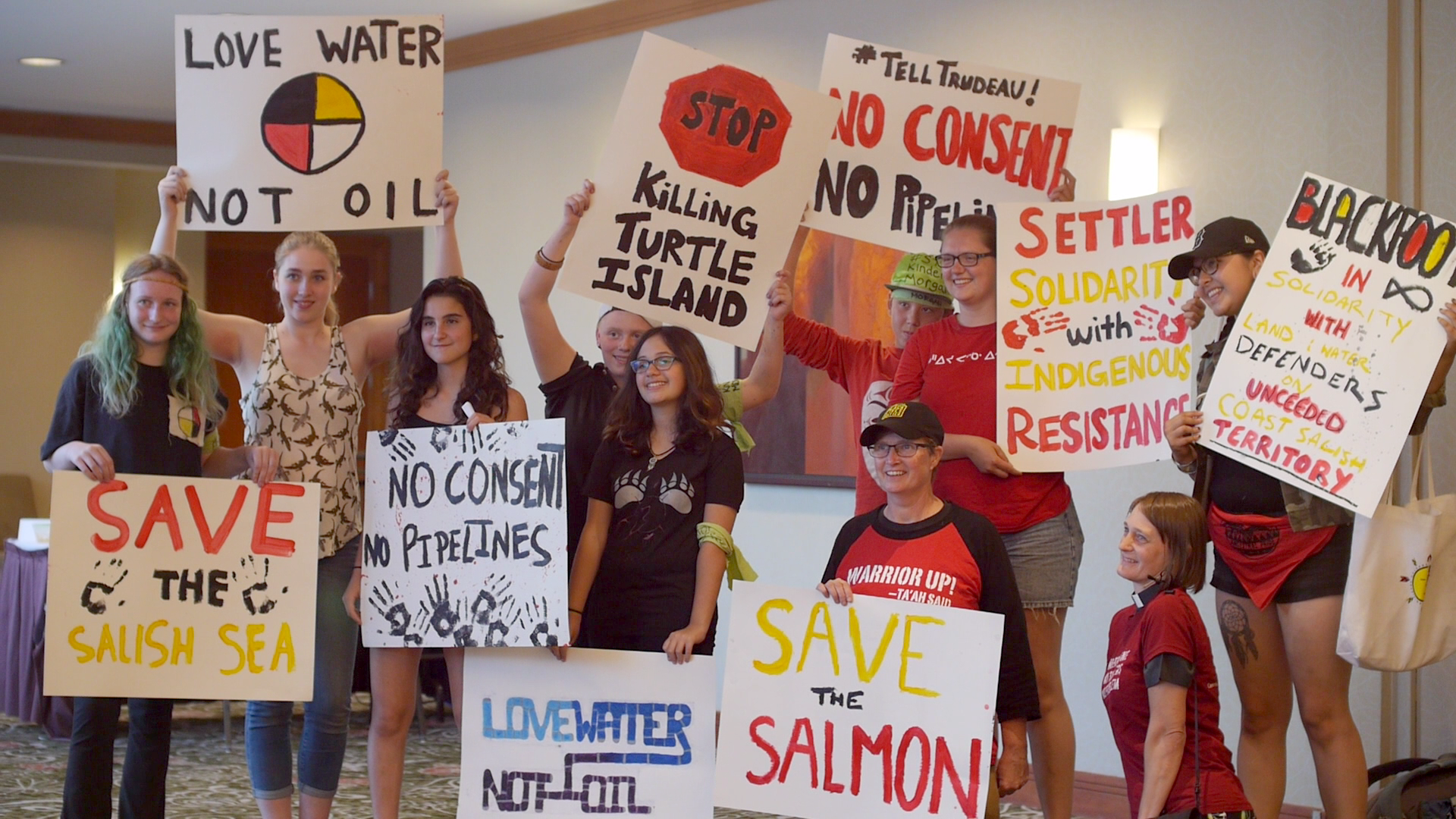
Our Holy Mountain: Advent 2A
They will not hurt or destroy on all my holy mountain; for the earth will be full of the knowledge of the LORD as the waters cover the sea.
Isaiah 11:9
When I first read this passage my immediate thought was; what holy mountain is Isaiah referring to? It seems like a fairly important thing to know given that he so clearly tells us that nothing will be hurt if destroyed on it. Why has he not told us the name?
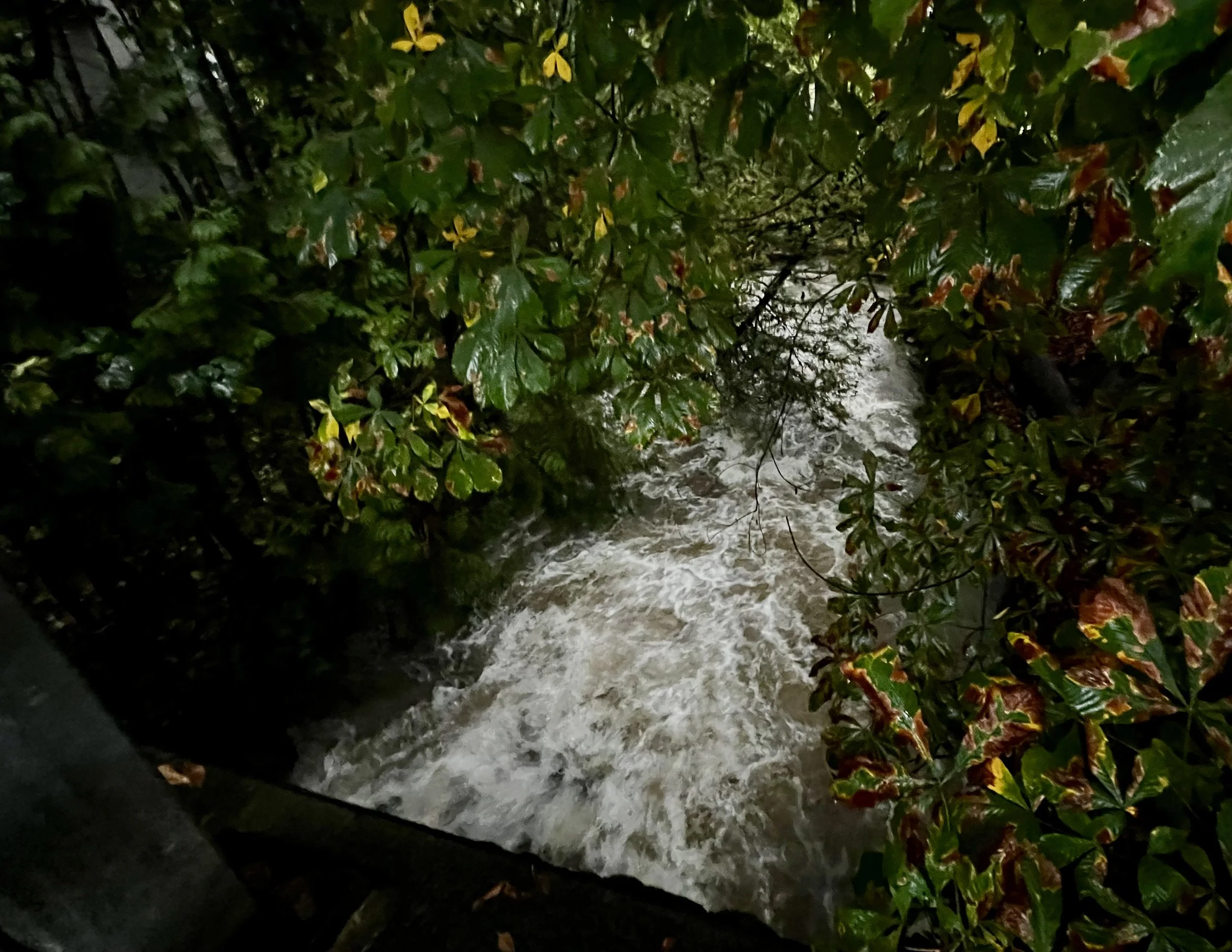
The Great Flood of Advent: First Sunday of Advent, Year A
This Sunday we light the first candle of Advent, hope. It is during Advent where we slow down and reflect on the past year. It is also a time of waiting, waiting for the coming of Jesus. In the Gospel of Matthew, the writer points to the coming of the Son of Humanity and compares it to the flooding of the earth during the time of Noah (Matthew 36:37). The Great Flood and Advent are both “a coming.” (Julia Gatta. Life in Christ: Practising Christian Spirituality. Pg 109) The word advent is derived from the Latin word adventus, meaning “coming,” which is a translation of the Greek word parousia. (University of Portland. Did you know: Meaning of Advent.)
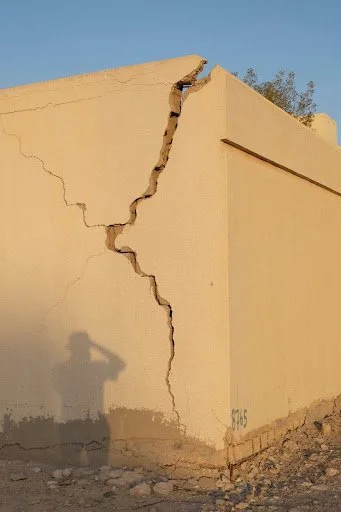
23rd Sunday after Pentecost Year C: Praise and Destruction for All Creation
From all creation praising God for God’s victory and compassion to destruction at the hands of humanity and food insecurity throughout the world, this week’s texts dig into “end times” and potential catastrophes. While these last weeks of the church year usually contain more of what is deemed “apocalyptic” literature, the struggles described, as with most of scripture, were intended to address crises and situations in first century Palestine. There is still, however, much for us to engage with today. No matter where your preaching leads, addressing the pop culture understandings of the end times is an essential part of supporting congregational biblical literacy, even if it is a simple disclaimer at the beginning of the sermon. Digging into food insecurity around the world and “natural” disasters that are increasingly the result of human action helps connect creation care and creation justice with larger movements for justice and care of humans as well.
Beholders of Faith: From Alien Tongues to Sacred Language - 17th Sunday After Pentecost
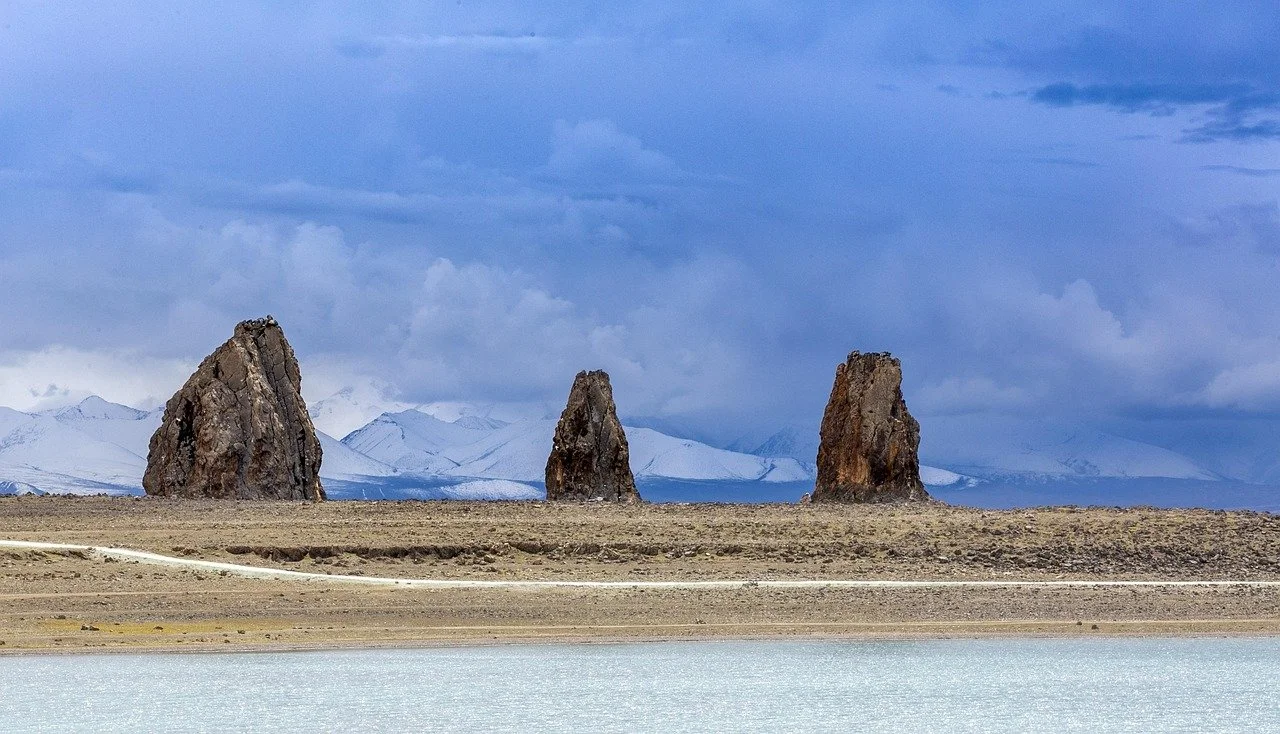
One of my all-time favorite films is Arrival. It’s a maybe-not-so-science-fiction story that begins when twelve mysterious, stone-like alien ships descend upon Earth. Without giving too much away, the protagonist—a linguist—is tasked with decoding their language and uncovering their purpose. But the film is far more than a tale of extraterrestrial contact. It’s a profound journey into the Great Mystery, where one person’s understanding of time, space, and trust is completely transformed.
A System Wrapped in Purple Robes: Sixteenth Sunday after Pentecost
I am always incredibly grateful for the Gospel of Luke. Not only does Year C remind us that God’s most loved children are typically the poorest among us, but often they are facing intersecting identities, hardships, and, compared to today, a host of disabling health events. We are often dropped in the middle of the muck and mire of 1st-century Palestine and see a Jesus among the people, of the people. But the class distinctions aren’t blurred, but highlighted by and then intentionally crossed by Jesus over and over again.
We are grateful to the sponsors who make Wild Lectionary possible:

This program is made possible through a Vital Worship Grant from the Calvin Institute of Christian Worship, Grand Rapids, Michigan, with funds provided by Lilly Endowment Inc.