
Book
- 2 Thessalonians
- 2023
- Advent
- Buddhism
- Christmas
- Ephesians
- Epiphany
- Hebrews
- Isaiah 11
- Isaiah 12
- Isaiah 2
- Isaiah 35
- Isaiah 60
- Isaiah 63
- Isaiah 65
- Isaiah 7
- James 5
- Luke 1
- Luke 16
- Luke 17
- Luke 21
- Matthew 1
- Matthew 11
- Matthew 2
- Matthew 24
- Pentecost
- Psalm 146
- Psalm 148
- Psalm 72
- Psalm 80
- Psalm 98
- Reading Scripture with the Land
- Romans
- Tree
- Year A
- Year C
- advent
- victoriamarie
- wilderness
- yearB
Wild Lectionary is for those who want to preach on climate justice themes. In scripture, landforms, skies, waterways, and creatures are transformed. In the world around us they are transformed as well by the advancing global climate crisis. Repeatedly we are called to attend to the wisdom of the more-than-human world. Each week a different contributor offers commentary on the lectionary readings, suggestions for preaching, and links to additional material. We hope you will use and share these resources.
-
We are hoping to keep this resource going year-round. If you are interested in collaborating, e-mail Laurel.
-
For preachers who want to engage with scripture and with climate crisis here are some tools for approaching biblical texts.
Know and be rooted in your watershed. It has long been understood as good homiletic and exegetical practice to name your social location -the webs of relationship, power and identity which influence your approach to and understanding of scripture. It is perhaps equally important to be aware of your ecosystem location, how your experience of and connection to drought, harvest, storm, herding, and fishing are at play as you encounter these themes in scripture. What are the creature kin, the predators, the waterways, landforms and plants of your place and your heritage that help you to understand (or cause you to misunderstand) the Galilean fishing economy, the Cedars of Lebanon, the lion of Judah, the true vine, the Good Shepherd and the lamb of God?
Focus on Climate Justice. Credited to various activists from the global south, climate justice is a term that asserts that the impacts of global climate change and the work of responding to it are not borne equally. Racialized, impoverished, Indigenous, coastal and island peoples experience the greatest impacts while bearing the least responsibility and are at the forefront of movements for land defense, mutual aid, and corporate and governmental accountability (Gabbatis and Tandon, 2022). Bringing a climate justice approach to scripture means focusing not simply on “creation” or “the environment” but addressing the interrelationships between human and ecological exploitation, extraction, displacement, and inequity.
Apply Eco-Justice Principles. Norman Habel and the Earth Bible Project have identified six principles in scripture.
The Principle of Intrinsic Worth: The universe, Earth, and all its components have intrinsic worth/value
The Principle of Interconnectedness: Earth is a community of inter-connected living things that are mutually dependent on each other for life and survival.
The Principle of Voice: Earth is a living entity capable of raising its voice in celebration and against injustice.
The Principle of Purpose: The universe, Earth and all its components are a part of a dynamic cosmic design within which each piece has a place in the overall of that design.
The Principle of Mutual Custodianship: Earth is a balanced and diverse domain where responsible custodians can function as partners with, rather than rulers over, Earth to sustain its balance and a diverse Earth community.
The Principle of Resistance: Earth and its components not only suffer from human injustices but actively resist them in the struggle for justice.
Use an Eco-Feminist Lens. The Rev. Dr. Leah D. Schade “the eco-preacher” has developed four additional principles.
Focus on Earth-orientation rather than focusing strictly on humans, and particularly male humans. Read Scripture through a “green lens” to ascertain how texts may be oppressive or liberating to women, children, those most vulnerable, and the Earth community.
Proclaim the good news for both the human and other-than-human community of Earth. Analyze the impact and power that certain texts will have when preached in a community of faith within its ecological context.
Practice a hermeneutic of remembrance. Recover biblical traditions so that we can view the biblical story from an ecofeminist perspective, moving away from the inherent human-centeredness and male-centeredness of texts that assume subordination of Earth and women.
Engage creative actualization. Tell stories from Earth’s and women’s perspectives. Reformulate narratives lifting up the discipleship of equals among human communities and with our Earth kin.
Consider the Ecological Triangle of God, Non-Human Creation, and Humanity. Hilary Marlow proposes this alternative method of ecological engagement which allows the texts to speak for themselves. She asks:
What understanding does the text present of non-human creation (local or cosmic)?
What are the assumptions of the author about God’s relationship to the created world?
What effects do human actions have upon non-human creation and vice versa?
-
It costs approximately $275 CAD for the work of research, writing, editing, coordinating and hosting one week of resources on Wild Lectionary. If you have appreciated this faithful climate justice resource please consider sponsoring a page or asking your congregation to do so. It is a gift that benefits so many.
Tenth Sunday After Pentecost Year B: Abusive Power and Abundant Provision
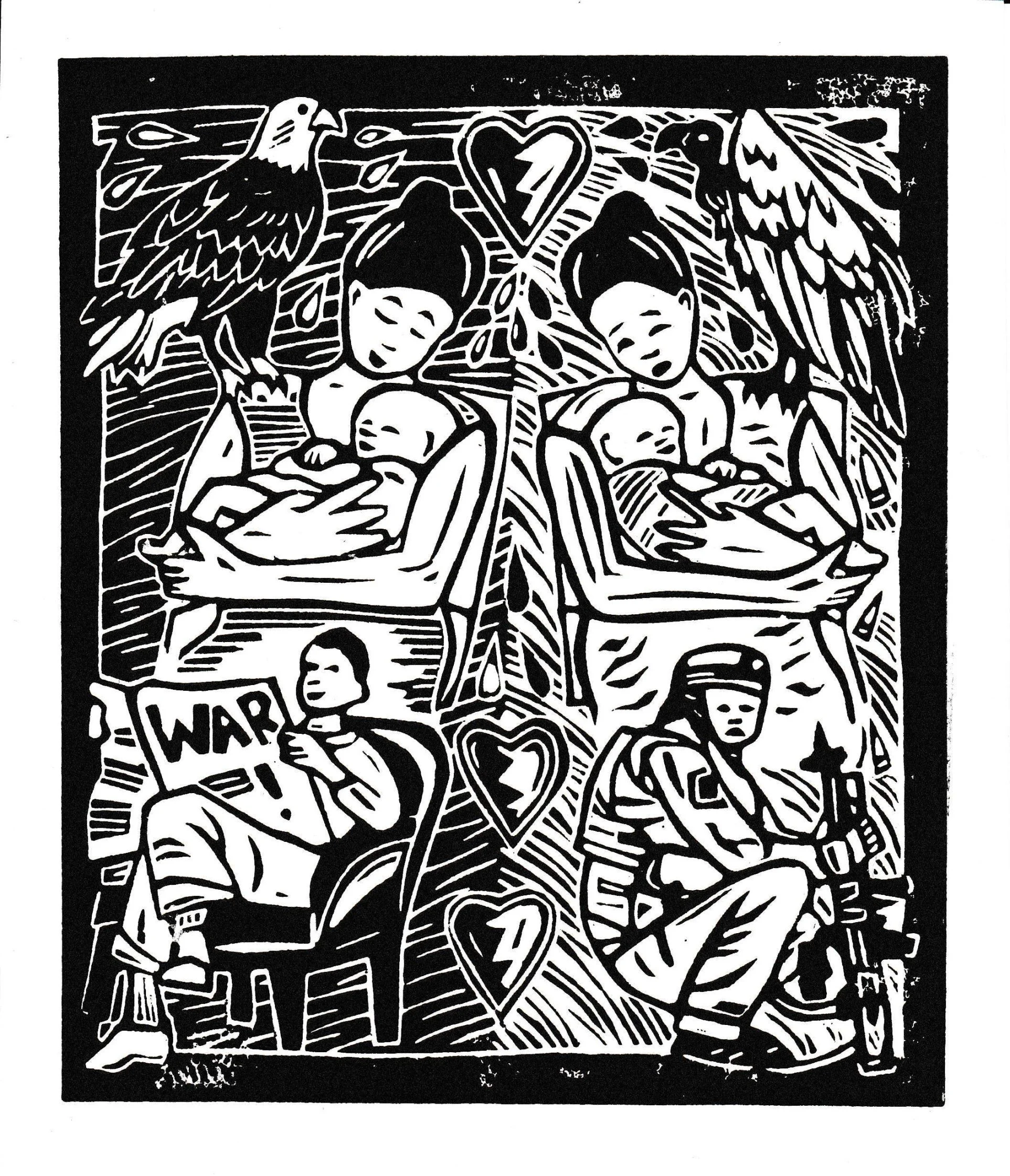
From military overwhelm and abusive power to the strength and abundance of God, this week’s readings have a lot to say about the world in which we live. King David’s abuse of power, both at waging a war he is not willing to risk his own life for and at raping Bathsheeba and having her husband assassinated, provide plenty of examples of Psalm 14’s proclamation that humanity has failed to live up to our best selves. While Ephesians’ emphasis is more focused on praising God, its imagery of rootedness and groundedness calls to mind vegetation that keeps hillsides from falling away and deserts from claiming more land. As John’s feeding of the multitude begins the Bread of Life series, the abundance of what is needed and the power of the sea draw us into the reality of God’s provision. God provides enough, yet it is hoarded by the few, whether it is a powerful king’s sexual exploits and brash military might or today’s world of unnecessary poverty and hunger.

Ninth Sunday After Pentecost, Year B: Tent, Temple, Shepherd, King
Tent or temple, circumcised and uncircumcised, storm and calm, crowds and deserted places, but most of all good and bad shepherds –the readings are full of nature-based metaphors of contrasts. The prevailing theme -the promise of David, the good shepherd’s enduring kingship, is an opportunity to reflect on interspecies relationships, which can be characterized by respect, interdependence and mutual learning, by exploitation (including rhetorical exploitation) and extraction, and often by a combination of both.

Eighth Sunday after Pentecost Year B: The Earth is the Lord’s
Despite the psalmist’s bold proclamation, “The Earth is the Lord’s, and everything that is in it,” the ecological themes in this week’s lections, are more background than foreground. Divine care for creation, the pervasiveness of water in scripture, and the persistent association of prophets with the more than human world, all feature in the readings and are worthy of at least brief homiletic exploration. But the preacher who intends to focus primarily on ecological justice this week, will need to draw from their own watershed context and the broad themes of the books and genres, more than the assigned verses.
Seventh Sunday after Pentecost, Year B: Cultivating Beloved Community
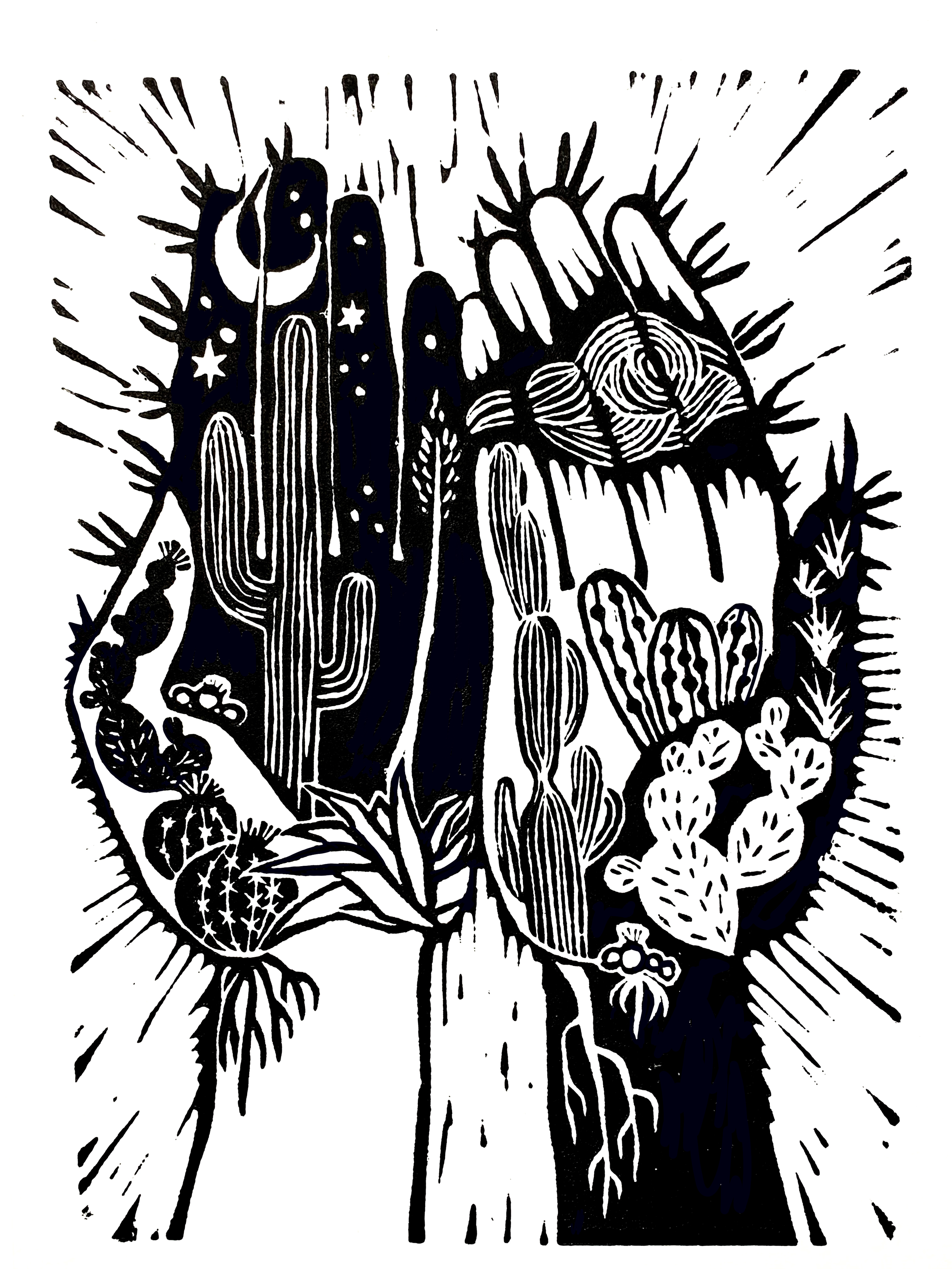
While limited in terms of ecological imagery, the readings offer an opportunity to reflect on issues important to movements for social change and cultivating beloved community. The readings offer insight into how leadership and authority is determined, the role of illness and disability, and which perspectives are centered in climate justice and related movements for liberation. Central questions for reflection include: What and who do we consider an authority, and what is the source of knowing? Who is included in community? Whose voices do we listen to, and whose do we devalue?
Sixth Sunday After Pentecost, Year B: The Scarred Sacred
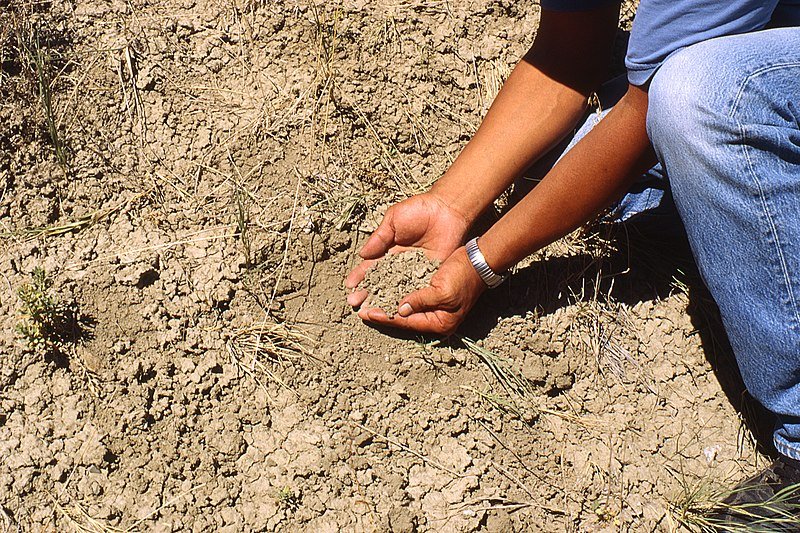
This week's lectionary brings us up close and personal with our relationship to our bodies, and God’s relationship to our bodies. Our bodies are the first part of creation entrusted to our care. They are the cooperation of microbes and cells that allow us to interact with our surrounds. Separating the self from the body is impossible, and we follow a God that rose from the dead with scars. Bodies are a sacred first gift from the Creator.
We are grateful to the sponsors who make Wild Lectionary possible:

This program is made possible through a Vital Worship Grant from the Calvin Institute of Christian Worship, Grand Rapids, Michigan, with funds provided by Lilly Endowment Inc.