
Book
- 2 Thessalonians
- 2023
- Advent
- Buddhism
- Christmas
- Ephesians
- Epiphany
- Hebrews
- Isaiah 11
- Isaiah 12
- Isaiah 2
- Isaiah 35
- Isaiah 60
- Isaiah 63
- Isaiah 65
- Isaiah 7
- James 5
- Luke 1
- Luke 16
- Luke 17
- Luke 21
- Matthew 1
- Matthew 11
- Matthew 2
- Matthew 24
- Pentecost
- Psalm 146
- Psalm 148
- Psalm 72
- Psalm 80
- Psalm 98
- Reading Scripture with the Land
- Romans
- Tree
- Year A
- Year C
- advent
- victoriamarie
- wilderness
- yearB
Wild Lectionary is for those who want to preach on climate justice themes. In scripture, landforms, skies, waterways, and creatures are transformed. In the world around us they are transformed as well by the advancing global climate crisis. Repeatedly we are called to attend to the wisdom of the more-than-human world. Each week a different contributor offers commentary on the lectionary readings, suggestions for preaching, and links to additional material. We hope you will use and share these resources.
-
We are hoping to keep this resource going year-round. If you are interested in collaborating, e-mail Laurel.
-
For preachers who want to engage with scripture and with climate crisis here are some tools for approaching biblical texts.
Know and be rooted in your watershed. It has long been understood as good homiletic and exegetical practice to name your social location -the webs of relationship, power and identity which influence your approach to and understanding of scripture. It is perhaps equally important to be aware of your ecosystem location, how your experience of and connection to drought, harvest, storm, herding, and fishing are at play as you encounter these themes in scripture. What are the creature kin, the predators, the waterways, landforms and plants of your place and your heritage that help you to understand (or cause you to misunderstand) the Galilean fishing economy, the Cedars of Lebanon, the lion of Judah, the true vine, the Good Shepherd and the lamb of God?
Focus on Climate Justice. Credited to various activists from the global south, climate justice is a term that asserts that the impacts of global climate change and the work of responding to it are not borne equally. Racialized, impoverished, Indigenous, coastal and island peoples experience the greatest impacts while bearing the least responsibility and are at the forefront of movements for land defense, mutual aid, and corporate and governmental accountability (Gabbatis and Tandon, 2022). Bringing a climate justice approach to scripture means focusing not simply on “creation” or “the environment” but addressing the interrelationships between human and ecological exploitation, extraction, displacement, and inequity.
Apply Eco-Justice Principles. Norman Habel and the Earth Bible Project have identified six principles in scripture.
The Principle of Intrinsic Worth: The universe, Earth, and all its components have intrinsic worth/value
The Principle of Interconnectedness: Earth is a community of inter-connected living things that are mutually dependent on each other for life and survival.
The Principle of Voice: Earth is a living entity capable of raising its voice in celebration and against injustice.
The Principle of Purpose: The universe, Earth and all its components are a part of a dynamic cosmic design within which each piece has a place in the overall of that design.
The Principle of Mutual Custodianship: Earth is a balanced and diverse domain where responsible custodians can function as partners with, rather than rulers over, Earth to sustain its balance and a diverse Earth community.
The Principle of Resistance: Earth and its components not only suffer from human injustices but actively resist them in the struggle for justice.
Use an Eco-Feminist Lens. The Rev. Dr. Leah D. Schade “the eco-preacher” has developed four additional principles.
Focus on Earth-orientation rather than focusing strictly on humans, and particularly male humans. Read Scripture through a “green lens” to ascertain how texts may be oppressive or liberating to women, children, those most vulnerable, and the Earth community.
Proclaim the good news for both the human and other-than-human community of Earth. Analyze the impact and power that certain texts will have when preached in a community of faith within its ecological context.
Practice a hermeneutic of remembrance. Recover biblical traditions so that we can view the biblical story from an ecofeminist perspective, moving away from the inherent human-centeredness and male-centeredness of texts that assume subordination of Earth and women.
Engage creative actualization. Tell stories from Earth’s and women’s perspectives. Reformulate narratives lifting up the discipleship of equals among human communities and with our Earth kin.
Consider the Ecological Triangle of God, Non-Human Creation, and Humanity. Hilary Marlow proposes this alternative method of ecological engagement which allows the texts to speak for themselves. She asks:
What understanding does the text present of non-human creation (local or cosmic)?
What are the assumptions of the author about God’s relationship to the created world?
What effects do human actions have upon non-human creation and vice versa?
-
It costs approximately $275 CAD for the work of research, writing, editing, coordinating and hosting one week of resources on Wild Lectionary. If you have appreciated this faithful climate justice resource please consider sponsoring a page or asking your congregation to do so. It is a gift that benefits so many.
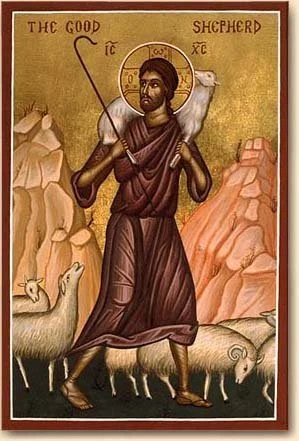
Easter 4, Year B: Christ as Shepherd and Cornerstone
The lectionary texts for the Fourth Sunday of Easter bring into focus what Guidance might be available to all who find ourselves facing down the forces of death, violence, division and hate. It just so happens that many of the folks that I am encountering who are doing this just now with the full force of their being do not identify as “religious.” I think it is a notable coincidence, then, that the texts from this week draw out the humanist or “non-theist” aspects of the Christian path – which are in fact doctrinally integral, but have often been “picked and refused” by the builders of the church. Viewed in this way, the Easter story provides all people with a template for a Way of living that has the effect of dismantling the power of death-dealing.

Easter 3 Year B: All Bodies Are Good Bodies
While the lections assigned for this week do not at first glance seem to have a lot of environmental content, the passages from Acts and the Gospel actually have some very relevant themes when we stop looking for references to “nature” and broaden our focus to an ecological justice framework and the complex web of interspecies economics which that entails. Both the healing of a lame beggar in Acts and the focus on the corporeality of the risen Jesus in the Gospel portion from Luke emphasize the importance of bodies. These passages give preachers and teachers the opportunity to consider the goodness of bodies, disability theology, disability and poverty, environmental racism, and the disproportionate impact of climate change on people with disabilities.

Second Sunday of Easter, year ‘B’: Burden of Proof
The Second Sunday of Easter is traditionally called “Low Sunday” to reflect a “somewhat less intense celebration.” The readings appointed for this Sunday, though, reflect anything but. In Acts, the people first called Christians are on the move: folks from different tribes and nations pool their money and possessions; the word that Jesus is risen is out; in a subversive act, land is sold—the earth freeing up financial resources to flatten systems of oppression where the rich get richer and the poor get poorer.
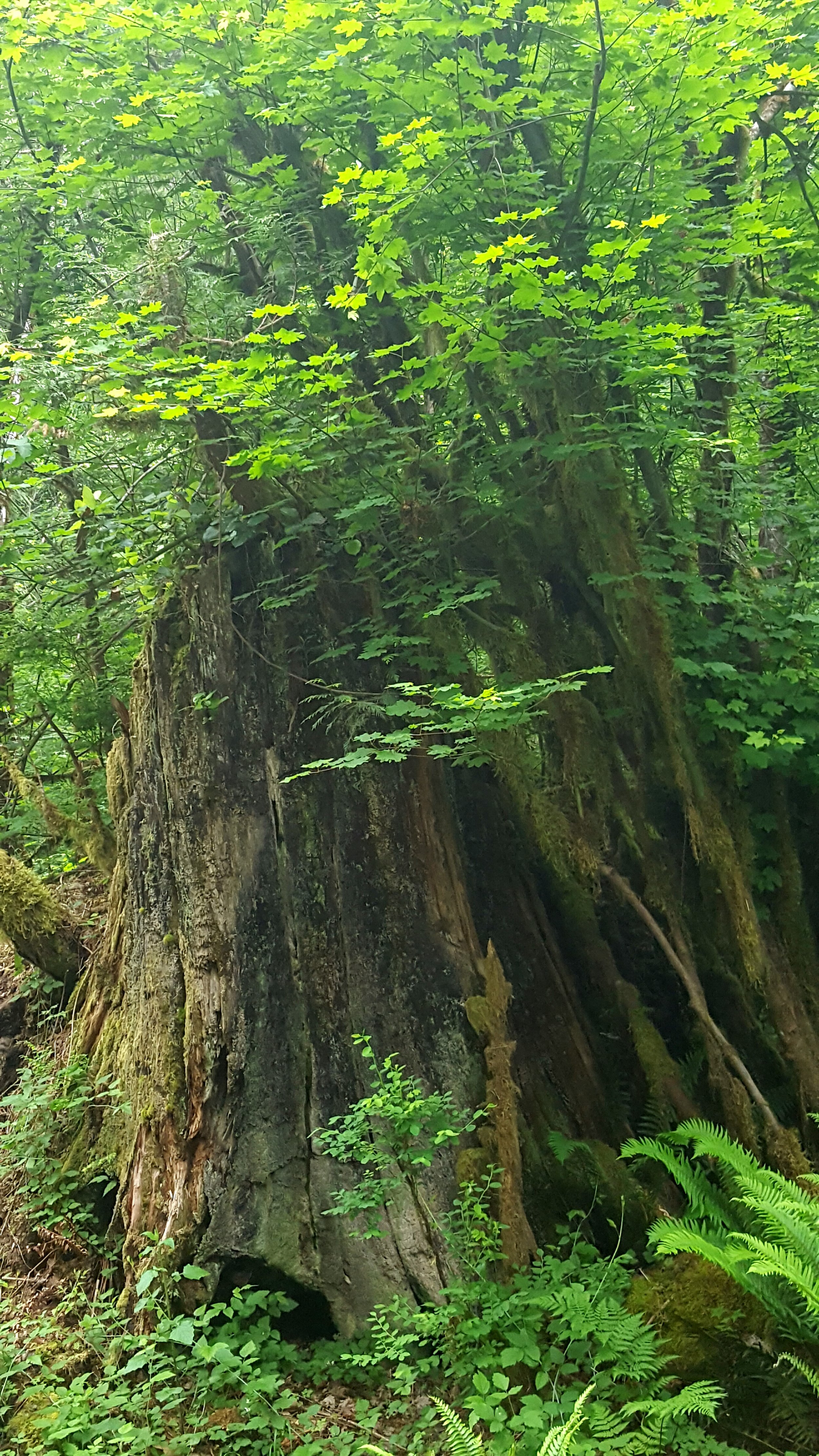
Easter Sunday Year B: Garden and Dominion
We explore in this week’s readings three wilderness themes: Firstly, the interwoven hope for healing between humans/earth, humans/God and humans with each other in the echoes from Song of Songs in John 20. Second, the awareness of the imperial death “shroud” that seeks to separate the Creator from the creation that is addressed in Isaiah 25. And finally, the holy call to embrace all creation as family in the passage from Acts 10.
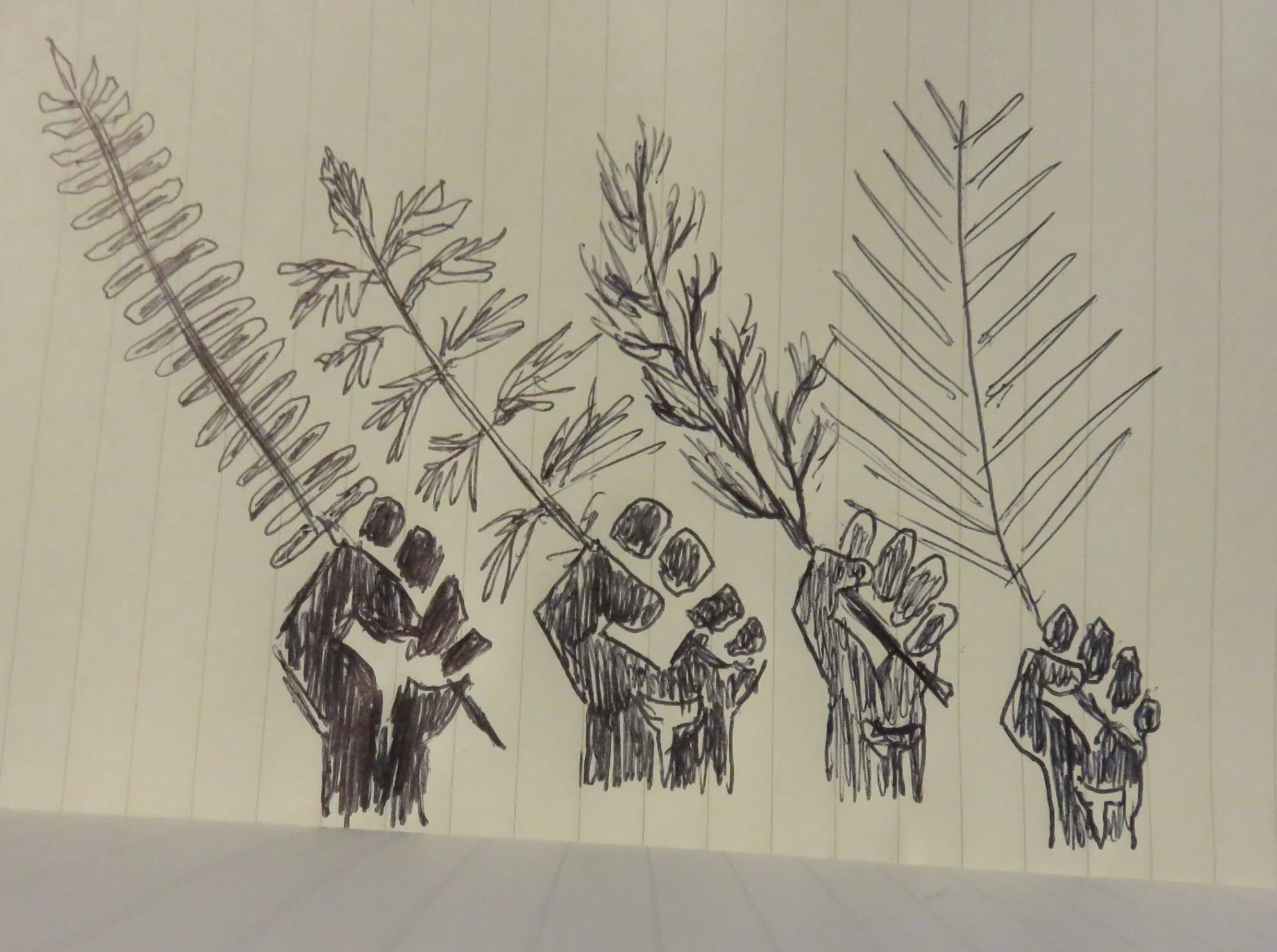
Palm Sunday, year ‘B’: Into the Thick of the Palms
The primary Gospel lection for this Palm Sunday observance, like all of the synoptics, fails to make any mention of palm branches in the march from the Mount of Olives to the Jerusalem Temple. They are referenced only in John 12, the alternative reading for Palm Sunday each year. In Mark we behold only leafy branches cut from the fields. It is those to which we will attend, but only after an excursus into the thick of the Palms.
We are grateful to the sponsors who make Wild Lectionary possible:

This program is made possible through a Vital Worship Grant from the Calvin Institute of Christian Worship, Grand Rapids, Michigan, with funds provided by Lilly Endowment Inc.