
From Jesus to Miley Cyrus: Teachings on Humanity and Power, Twentieth Sunday After Pentecost
Andrea Tsugawa
To begin with, I may say that I like Miley, but I am not necessarily her biggest fan. When I heard her distinguish between a person and their behaviour, however, all I could think was: Girl, respect.
Not only because she seemed to be expressing a remarkable sense of accountability amid the crossfire of celebrity culture, but also because the teaching behind her words carries a deep spiritual understanding—one that, perhaps unexpectedly, finds common ground with Jesus in this passage.
Matthew tells us a story about power, relationships, and genuine ways of being. The few who are chosen seem not to be those willing to please or be liked, but those willing simply to be.
This may be one of the strangest passages we’d encounter in the lectionary. Maybe it caught your eye, and if so, I’ve already accomplished one of my goals as a biblical writer. But I promise you this: there are so many threads worth following.
Commentary
Full Gospel reading is Matthew 22: 1-14, broken down here into smaller sections.
-
Quechua
1 Jesusmi huktawan rimarispan rikchanachiykunawan paykunata nirqa: 2 —Diospa munaychakusqanqa rikchakun churinta casarachiq reymanmi. 3 Paymi sirvientenkunata kacharqa convidoman qayachisqankunata pusamunankupaq, qayachimusqankunam ichaqa manam hamuyta munarqakuchu.
English:
1 Jesus spoke to them again in parables, saying: 2 “The Kingdom of God's love is like a king who prepared a wedding feast for his son. 3 He sent his servants to bring those who had been invited to the banquet, but those who had been invited did not want to come.
Comment:
The use of Diospa munaychakusqan for the Kingdom of God carries the resonance of munay, love. As in previous passages, this expression is used to refer to the Kingdom of God, yet the presence of munay opens a different theological register: the Kingdom is not imagined primarily as a political territory, but as a reign shaped by love. When the parable immediately introduces the figure of a king and his servants, a tension emerges between a loving order and the structures of order themselves. The language of kingship, authority, and service therefore sits alongside the prior image of a reign of love. This tension may invite us to ask what happens when those entrusted with authority forget the nature and purpose of the order they are meant to serve—and whether those who exercise power are called to remember that their authority originates within, and remains accountable to, love.
-
Quechua
4 Wakin sirvientenkunataña kachaspanmi chay convidasqankunata nichimurqa: “Mikuyqa listoñam kachkan, ñam nakarachiniña wira toroykunatapas hinaspa wira animalniykunatapas, chaynaqa hamuychikñayá casamientoman” nispa.
English
4 So he sent other servants and told them to say to the invited guests: ‘The meal is ready. I have already prepared the fattened bulls and the fattened animals. Come now to the wedding feast.’
Comment:
There is an important detail here in toroykunatapas hinaspa wira. The preparation and fattening of the animals reveals an abundance that already existed and had been prepared to be shared. The invitation, then, is not an invitation to create or prepare something from scratch, but an invitation to participate in an abundance that has already been made ready. It is not an invitation to earn one’s place, but to receive and take part in what has already been prepared by someone.
-
Quechua
5 Convidasqankunañataqmi mana kasukuspa pasakurqaku, huknin chakranman, hukninñataq negocionman. 6 Wakinñataqmi sirvientekunata hapiruspanku maqaparuspa wañurachirqaku. 7 Chaymi reyqa llumpayta piñakuruspan soldadonkunata kacharqa chay wañuchiqkunata wañuchimunankupaq chaynataq llaqtankutapas kañamunankupaq.
English
5 But the invited guests paid no attention and went away, one to his field and another to his business. 6 Others seized his servants, beat them, and killed them. 7 The king became exceedingly angry, sent his soldiers to kill those murderers, and burned their city.
Comment:
The response of those invited is not what was expected. The invitation, apparently rooted in the munay of God’s reign, encounters rejection and eventually violence. Why? The loving invitation therefore begins to face a tension with violence, revealing a rupture between the order of love announced at the beginning and the violent response that follows. The king replies with violence.
-
Quechua
8 Hinaspam sirvientenkunata nirqa: “Tukuy imam listoña kachkan casamientopaq, convidasqaykunam ichaqa mana kay fiestapas hinachu karqaku. 9 Chaynaqa hatun esquinakunaman rispayá casamientopaq qayamuychik llapallan tarimusqaykichikta” nispa. 10 Chaymi paypa sirvientenkuna rispa pusamurqaku llapallan tarisqankuta, pusamurqakumá allin runakunatapas chaynataq mana allin runakunatapas. Chaymi wasiman huntaykurqaku.
English
8 Then he said to his servants: ‘Everything is ready for the wedding feast, but those I invited were not worthy of this celebration. 9 Therefore, go to the main streets and invite everyone you find to the wedding feast.’ 10 So his servants went out and gathered everyone they found, those who do good and those who do not do good. And the wedding hall was filled.
Comment:
Allin runakunatapas chaynataq mana allin runakunatapas are crucial here. These words translate as those who do good or do not do good. The attribution of goodness and badness is not related to the inherent humanity or worth of these persons, but to their behaviours. Whether they do good or do not do good. In this wording, goodness and badness describe what people do rather than who they are. This distinction honours the divine spark present in every human person, refusing to reduce a person’s humanity to their actions.
-
Quechua
11—Convidasqankunata qawaykuq rey yaykuykuspanmi chaypi rikururqa huk runata casamientopaq hina mana pachasqata.12 Chaymi nirqa: “Tayta ¿imanasqataq casamientopaq hina mana pachasqachu yaykumurqanki?” nispa. Hinaptinmi chay runañataq mana imatapas nirqachu.
English
11 When the king entered to look at those who had been invited, he saw there a man who was not dressed appropriately for the wedding.12 He said to him, ‘Friend, why did you enter here without being dressed for a wedding?’But the man had nothing to say.
Comment
While pacha in Quechua carries a wider semantic field encompassing dimensions of time, space, world, and situated existence, in pachasqa within this particular construction the immediate context appears to concern being appropriately dressed or prepared for the wedding. Nevertheless, the broader semantic resonance of pacha invites consideration of clothing not merely as an external garment, but as a marker of one's situatedness within a particular social and ceremonial reality.
-
13 Chaymi reyñataq mesaman serviqkunata nirqa: “Chakinkunatawan makinkunata wataspa wischumuychik tutayaypa kasqanman. Chaypim waqanqaku, mana ima rurakuyta atispanmi kiruntapas kirichichichinqa” nispa.
English
13 Then the king said to those serving at the table: ‘Tie his hands and feet and throw him into the place of darkness. There he will weep and gnash his teeth.’
Comment:
The imagery of authority turns coercive, bringing us back to the initial tension between a loving reign and the exercise of power within it. The one who entered the feast is now bound and cast into darkness, and the servants who were first sent to extend the invitation become instruments of exclusion. The passage therefore leaves open a difficult question: what happens when authority within a reign of love becomes coercive?
-
Quechua
14 Chaynaqa, achkam qayasqakunaqa kachkan, akllasqakunañataqmi aslla.
English
14 For many are called, but few are chosen.”
Comment:
Are we truly speaking here about the person who was expelled? Or are we also being invited to notice the king’s desperate desire to be liked and chosen? He prepares an abundance, extends an invitation, and gathers people around himself, yet the desire to be received does not remain simply a desire. When people do not freely choose him, that desire turns into a demand—and the demand into force. The very will to be liked becomes violent and harmful when it can no longer accept refusal. In this sense, the ending may invite us to look not only at the one who is expelled, but also at the violence that emerges when love is confused with the need to be chosen.
Teaching and preaching ideas
Beings vs. Behaviours
I particularly find this understanding fascinating. I had the chance to learn from Muslim spirituality with Professor Jamal Rahman, and one of his teachings from Sufism changed the way I conceive human anger. Perhaps Miley Cyrus expressed a similar drop of wisdom when she publicly said:
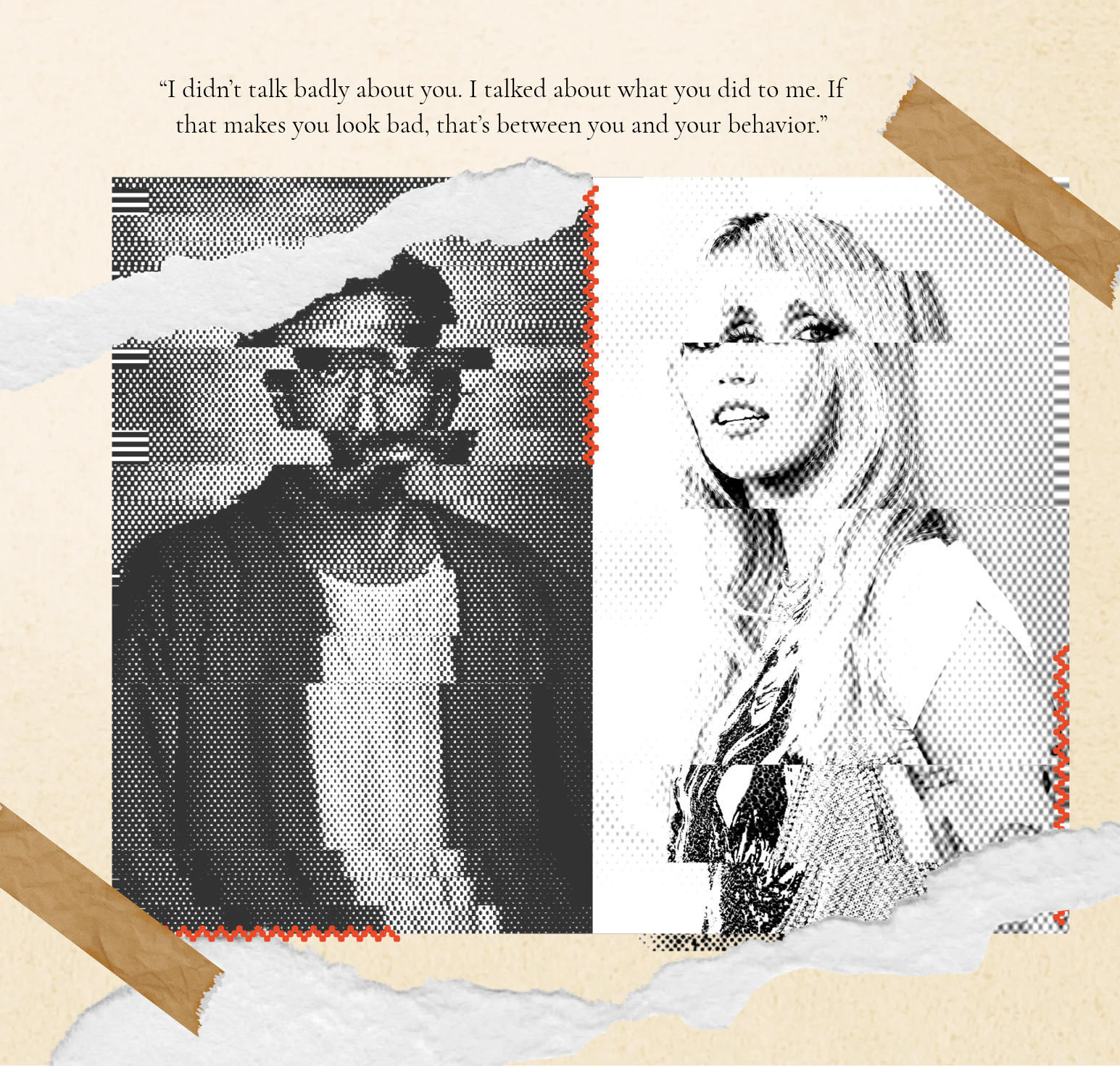
“I didn’t talk badly about you. I talked about what you did to me. If that makes you look bad, that’s between you and your behavior.”
There is a difference between the being and the behaviour—between being angry with a person and being angry about what a person has done. The distinction in this passage between allin runakunatapas and mana allin runakunatapas fascinates me because goodness and badness can be understood not as qualities of a person’s inherent humanity, but as descriptions of behaviour: people who do good and people who do not do good.
Read through an Andean cosmovision, this wording opens a point of commonality with what I have learned from Sufism: the possibility that there are no inherently good or bad human beings, but rather good and harmful ways of acting, and therefore, there is always a way back into right relationship for everyone who chooses to be lovingly accountable.
Clothing, and Embodied Expression
Another fascinating finding in this sermon is pacha. I always find it amazing that pacha can signify multiple things. More importantly, pacha can refer to the space and time we inhabit—the coordinates through which our existence is situated on Earth. The fact that it can also extend into what we wear, our clothing, opens a fascinating theological possibility: what we wear can be part of how we inhabit our pacha.
This is not so much about how others judge us or the idea that “cómo te ven, te tratan.” (“They treat you as they see you”) Rather, it is about clothing as an embodied form of expression. What we wear can carry our culture, memories, traditions, personality, relationships, and values. It can become a statement of what we choose to embody and carry with us into the world.
This could correlate beautifully with teaching about Indigenous traditions, regalia, or Orange Shirt Day and the semiotic symbolism of wearing the orange shirt. Its significance is not simply in how the shirt makes us appear to others, but in what we consciously choose to remember and embody by wearing it.
It could also open a reflection on the genuine expression of cultural identity: the possibility of wearing our traditions proudly and allowing our clothing to remain connected to who we are, rather than allowing capitalist models of fashion to continually flatten identity into trends and consumption.
This connects beautifully another of Miley Cyrus's quotes:
“When I get dressed, I try to kind of think like my inner child, and be genuine and authentic in whatever I’m wearing.”
Power Exercise in the Loving Reign
And then, she does it again. Miley Cyrus seems like a wonder theologian lately.
In an interview for WSJ. Magazine, when asked about her “superpower,” she said:
“For my real superpower, it would be for people to know their own power.”
And this goes both toward the reassurance of the self and toward the accountability and boundaries of power.
One of the Seven Grandfather Teachings, as mentioned by Indigenous scholar and lawyer John Borrows, is love. Love is indeed one of the most beautiful expressions of our humanity. But love can also have a coercive dimension. Love can become manipulation when the desire to be loved, needed, chosen, or obeyed becomes more important than the freedom of the other person.
Perhaps recognizing our own power is therefore also recognizing where that power comes from, how it has been entrusted to us, and what happens when we exercise it—whether politically, communally, relationally, or personally.
When we become aware of our power, we can become more accountable for it. We can begin to notice when our influence, our energy, our leadership, or even our love is no longer contributing to right relationship but beginning to cause harm.
Perhaps good leadership within a loving reign is not about having less power, but about knowing your power well enough to know when to use it and when not to use it.
Bibliography
Sociedad Bíblica Peruana. Diospa Palabra: Biblia en Quechua Ayacucho-Chanka (QUEAYA87). Lima: Sociedad Bíblica Peruana, 1987.
Miley Cyrus. “Miley Cyrus Talks About Her Talk Show ‘Bright Minded’, Her New Music + More.” WSJ. Magazine, June 2020.
Borrows, John. Law’s Indigenous Ethics. Toronto: University of Toronto Press, 2019.
Jamal Rahman, “Muslim Spirituality,” lecture, Vancouver School of Theology, 2024.
Author Bio
Andrea Tsugawa (she/her) was born and raised in Peru in a Japanese–Chanka mestizo family, and she carries with her a deep sense of cultural roots and resilience. Guided by gratitude for the Land, she hopes to always advocate for its care and protection—especially for this beautiful territory she now calls home. She is currently pursuing theological studies, seeking to weave faith, heritage, and compassion into her work and calling.