Easter 2 Year C: Antisemitism, Disability, and Our Witness to the World
Rev. Emily E. Ewing
This week’s readings are filled with imagery from creation, from the firmaments that praise God to the tree on which Jesus was hung to everything with breath or eyes. Alongside this imagery, humanity is called into connection and relationship with the rest of creation and with each other. This embodied relationship, bearing wounds, scars, disabilities, and diversity, deepens relationship so that the Disabled Christ who meets Thomas in the flesh might inspire the great proclamation of faith “My Lord and my God!” in response.
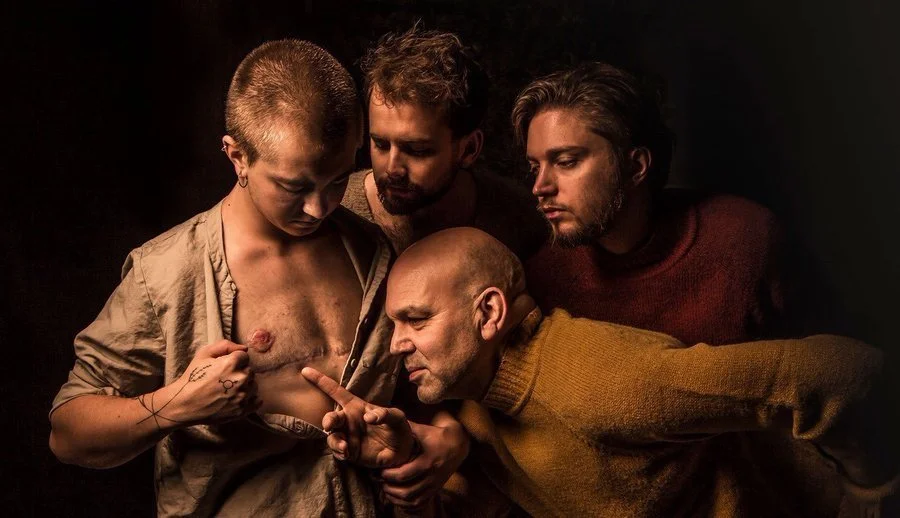
Image Copyright Elisabeth Ohlson
Commentary
-
In response to his arrest and questioning, Peter proclaims the story of Jesus.
Verse 30
As Peter accuses those with power of having Jesus killed “by hanging him on a tree”, it is a clear reminder of the ways that humans co-opt creation into the harm that we do, harming us all in the process.
-
The second half of Psalm 118, psalm praising God for victory, blesses, thanks and prays to God.
Verse 18
The naming of death is a reminder that even as we avoid it, death is a part of the cycles of life that keep our ecosystems sustainable
Verse 22
The well-known and oft-referenced verse could be the first incidence of upcycling, using what was cast away for a new and greater purpose as the cornerstone.
Verse 27
As this verse calls back to Palm Sunday, just two weeks ago, it makes clear the use of plants and vegetation for praise of God. Some might say that the photosynthesis, absorbing the light God has shined upon us is itself praise of God.
-
A psalm of praise, everything from the heavens to musical instruments praise God.
Verse 1
The psalmist connects the temple to the firmament, the heavens of God’s power, that praise is even among the stars and the sky.
Verse 6
The psalmist expands the praise of God to include “everything that has breath”, inviting all of creation, all that has breath or life, into the praise. This invitation also invites humans into a broader understanding of who and what has life and breath, recognizing, as the Lakota people do, that we are all related.
-
This revelation to John begin a series of visions that are rooted in John’s sociohistorical context while also speaking to the church today.
Verse 4
As the revelation is recounted, the seven churches that are in Asia hold the physical placing of the message, a reminder for preachers of the very contextual geographic places from which and to which we preach.
Verse 5
As Jesus Christ is ruler of the human powers, Christ models a rule that is intimately connected with all of creation.
Verse 6
Jesus Christ’s dominion is a power and strength, not a dominion that oppresses.
Verse 7
Again, the imagery of Christ coming with clouds, every eye, human and more than human, will see. The expansiveness that includes creation in the awe and wonder of God at work in the world.
Verse 8
As is frequent, especially in the Hebrew Scriptures, “I am the Alpha and the Omega” is a merism, a poetry technique that names seemingly opposite ends of a spectrum to include all that is in that category. Here God encompasses the whole Greek alphabet, as if saying “from A to Z” rather than “A and Z”. This echoes through to creation accounts (Day and Night and everything in between, humans: male and female, between and beyond, etc) and more.
-
This yearly gospel tells a story of accessibility, authority, and trust in the new life of the Gospel of Jesus.
Verse 20
The physicality of a side and hands wounded and visible calls to mind the physical wounds bourne by all of creation, as well as the realities of disability amongst all of God’s creation.
Verse 22
As Jesus breathes on the disciples, echoing Psalm 150’s call for all who have breath to praise God. The air that flows between creatures and throughout the earth also connects with the wind of the Spirit.
Verse 25
Thomas emphasizes the connection to his senses of sight and touch as part of his needs for trust in the risen Jesus.
Verse 27
Jesus meets Thomas where he is at, inviting physical contact, affirmation so that Thomas will not be faithless, but instead trust.
Verse 31
The gospel author’s hope that the reader or hearer will “have life in [Jesus’] name” ends the readings with another reminder of the cycles of life, death, and new life throughout creation and in a new way in the resurrection.
Teaching and Preaching Suggestions
Antisemitic Misinterpretations
While not as explicitly tied to climate justice as other themes, as Christians generally and as a Lutheran Pastor in particular, it is vital to address when it does come up. In Acts, as the high priest questions Peter, saying “...you are determined to bring this man’s blood on us”, it is a clear reminder of the dangers of antisemitism. Especially around Holy Week it is important to recognize that the stories in Acts are stories within a group of Jewish people as they discern the directions they will go with their faith. These are not stories of evil Jews against Christians, as has been misrepresented in history to stir up hatred towards Jewish people. In John, as in Acts, past antisemitic interpretations of the text need to be addressed. In verse 19, we read that the doors of the room where the disciples gathered “were locked for fear of the Jews.” Without context or unpacking, this can be interpreted as the Jewish people wanting to harm or persecute any followers of Christ. Worship leaders and preachers can address this by adjusting the translation to “Judeans” instead of “Jews” (the Greek for Jew and Judean is the same word). Alternatively, or in addition, preachers can make the fuller history of John as a gospel clear in preaching and teaching. Explaining that John was written to Jewish followers of the Way to push them into making a choice to what would become the Christian Church or remaining Jewish and foregoing being part of the Early Church. The portrayal of many of the Jews in John push this binary in order to push followers to choose one or the other. Today we understand faith and religion in a much more complex and nuanced way and so can reject that false binary, but still need to address the harm that it causes.
Witness and Testimony
In Acts, Peter is arrested and called to give his testimony as to his actions in preaching in Jesus’ name while the author of John writes that the purpose of the Gospel is as a witness “so that you may come to believe”. Both Psalm 118 and Psalm 150 depict all of creation called upon and colluding in the praise of God. In Revelation God claims their identity as Alpha and Omega, signifying through the use of a merism, a poetry technique, that God is actually the full range from A to Z, every part of the alphabet and every bit of creation. Whether it is through naming, living, breathing, or being, the readings tie into a call to give witness and testimony for God and for the God of all creation. This call to “Let everything that has breath praise” God requires care and justice for all of creation as part of a whole family. As the Lakota people understand it, Mitakuye Oyasin, all my relations, means all of everything is connected in the web of family.
Embodiment
While the calls to praise and thank God, whether in the world or temple, with musical instruments or breath, rely on embodied reality, it is the Gospel of John in particular that connects most deeply and explicitly with bodies. Whether we connect with Jesus’ resurrected body and wounds as photographer Elisabeth Ohlson Wallins did in The Doubter, a reinterpretation of The Incredulity of Saint Thomas by Caravaggio or notice the disabled Christ unashamed of the wounds that carry disability, the resurrected Christ’s body is not without blemish. In her groundbreaking work, The Disabled God: Toward a Liberatory Theology of Disability, Nancy L. Eiesland details the reality of a resurrected Christ bearing disabling wounds to hands, feet, and side. Naming these wounds as part of the resurrection makes space for disabled people, who are disproportionately harmed by climate collapse and climate catastrophes, in the fullness of God. Digging into disability theology and accessibility in John in particular draws new connections to the importance of climate justice and the interconnection of all of creation.
Sources and Resources
For more on the book of Revelation, check out the Nerds At Church podcast’s episode for this lectionary reading https://podcasters.spotify.com/pod/show/nerdsatchurch/episodes/2nd-Sunday-of-Easter-Year-C-e1hc61g/a-a7pb8hb
Dig into the reality of wounds and trauma with Preaching with Sciences’ Homily Helps https://ctu.edu/homily-outline/2nd-sunday-of-easter-year-c/
Debie Thomas’ wisdom on Jesus’ embodied resurrection, “This is My Body” https://www.journeywithjesus.net/essays/2179-this-is-my-body
More connections between the Lectionary Readings and Creation https://lutheransrestoringcreation.org/second-sunday-easter-year-c-mundahl13/
A visual from Elisabeth Ohlson Wallin’s “The Doubter” depicts Jesus as trans as Thomas and others examine a wound from top surgery https://therewasabrowncrow.tumblr.com/post/615231239378583552/top-elisabeth-ohlson-wallin-id-trans-source
For more on Jews/Judeans/Ioudaio https://www.salalandcedar.com/wildlectionary/2025-04-resisting-christian-anti-judaism-repost
More connections to disability and faith https://disabilityandfaith.org
The Disabled God: Toward a Liberatory Theology of Disability by Nancy L. Eiesland
Contributor Bio
Rev. Emily E. Ewing (they/them) is a Lutheran (ELCA) pastor serving in Baltimore, Maryland and getting ready for Art School. They combine creativity, spirituality, nerdiness, and the call to justice in many ways. Pastor Emily cohosts and coproduces the Nerds At Church podcast as well as cohosts the Horror Nerds At Church podcast. They consult with communities of faith for anti-oppression trainings, Doodle Prayer spiritual practices, and whatever the Spirit calls them to.
Image Description
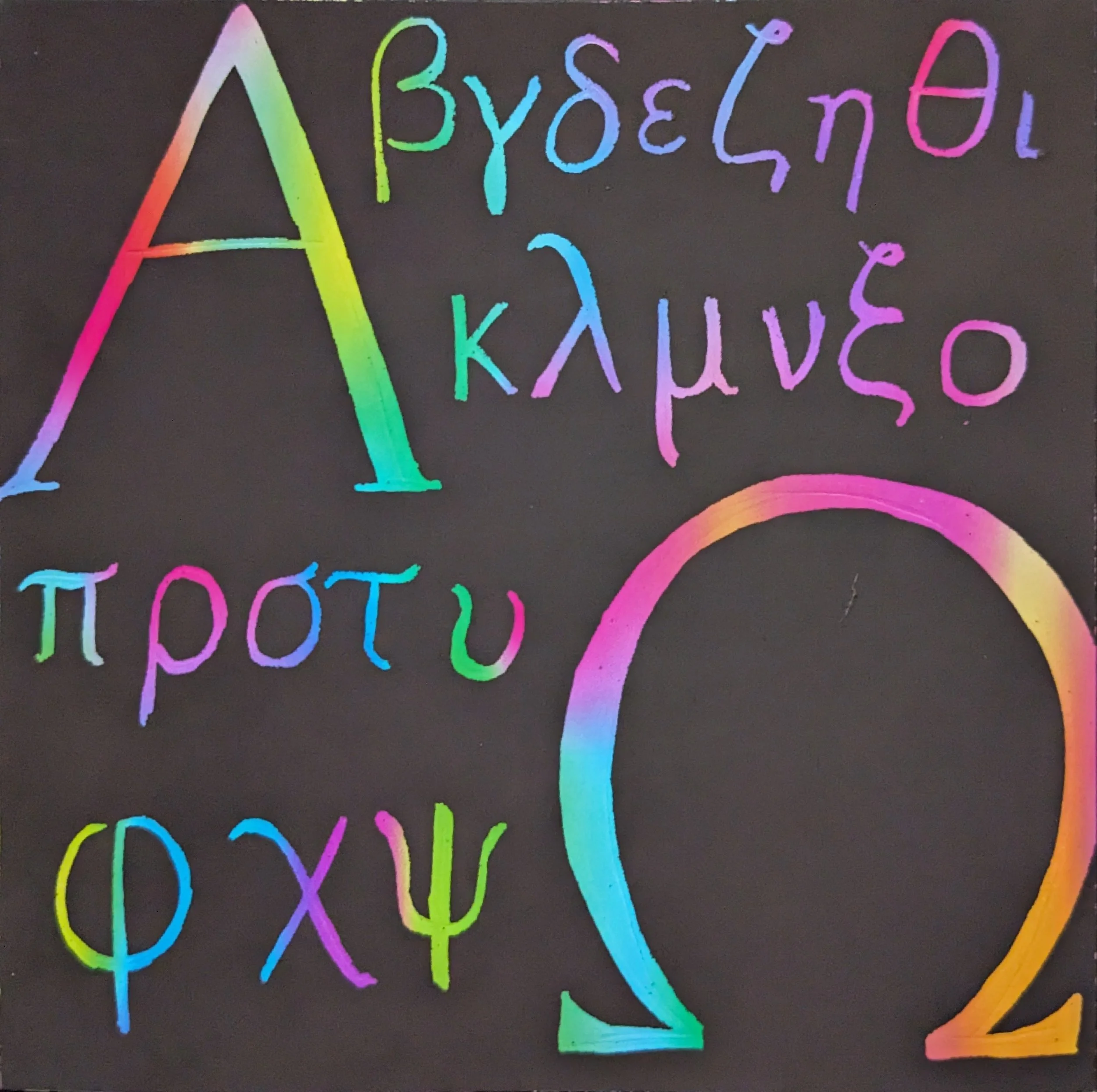
Preview image ID (also shown below): Black is scratched away to reveal a rainbow of colors. The scratching depicts the Greek alphabet with Alpha and Omega each taking up a corner (top left and bottom right, respectively).
Header Image ID: a photograph by Elisabeth Ohlson in the style of Caravaggio’s “The Incredulity of Saint Thomas” depicts three trans men as disciples examining the healing scars from a fourth trans person’s top surgery as if they were Thomas and the disciples examining Jesus’ wounds. Copyright Elisabeth Ohlson.